Faster, Smarter Deal Evaluation: Live Demo of AI-Powered CIM Analysis
See How Private Equity Teams Are Using AI to Accelerate CIM Review.

Life sciences organizations generate enormous volumes of regulated data every day. Clinical trials, lab research, regulatory submissions, quality records, and manufacturing documentation all depend on accurate, traceable information. Without strong metadata management, that data quickly becomes fragmented, risky, and difficult to control. For these organizations, the challenge is clear: build a scalable framework that protects pharma data integrity, supports compliance, and accelerates innovation. Let’s explore best practices, technologies, and governance strategies to help your team manage metadata with confidence.
Let’s jump in and learn:
Metadata is data about data. It provides context that makes content meaningful, searchable, and auditable.
In pharmaceutical environments, metadata can include:
Without metadata, a clinical trial file is just a document. With metadata, it becomes traceable, searchable, and compliant.
For example:
A regulatory submission missing structured metadata may delay approval due to incomplete audit trails.
A lab dataset without descriptive tags may require hours of manual review before analysis.
Modern life sciences content management platforms automatically capture and enforce metadata standards across documents, emails, datasets, and structured content.
Effective metadata management supports the entire product lifecycle, from discovery to commercialization.
Pharma data integrity is non-negotiable. Regulatory bodies such as the FDA require adherence to 21 CFR Part 11 and ALCOA+ principles (Attributable, Legible, Contemporaneous, Original, Accurate, and more).
Metadata supports data integrity in pharmaceutical industry environments by:
If an organization cannot prove who modified a dataset and when, it risks regulatory findings. A structured metadata management system prevents these gaps.
Let’s understand what this means in the real world. During an FDA inspection, companies often need to retrieve specific validation records within hours. Without structured metadata, this process becomes manual and error-prone.
Life sciences teams work under tight timelines. Delays in locating documents slow research, submissions, and commercialization.
Strong pharmaceutical data management practices supported by metadata allow teams to:
Organizations using AI-driven search capabilities often reduce document retrieval time significantly. This efficiency directly impacts R&D productivity and decision-making speed.
Metadata enables organizations to demonstrate compliance proactively.
It helps:
Regulators expect full traceability. A structured metadata management framework ensures readiness at any time, not just during audits.
Pharma operations are cross-functional. R&D, clinical, regulatory, quality, and manufacturing teams must collaborate securely.
Metadata improves collaboration by:
For example, in a decentralized clinical trial, investigators upload documents from multiple geographies. Metadata ensures those documents are categorized correctly and accessible only to authorized users. This structured approach reduces delays and prevents miscommunication.
Understanding metadata categories helps organizations design better frameworks.
It defines how content is organized and related.
Examples:
Structural metadata ensures consistency in complex regulatory submissions.
It describes the content itself.
Examples:
Descriptive metadata enhances search and discovery across pharmaceutical data management systems.
It supports governance and compliance.
Examples:
Administrative metadata is critical for maintaining data integrity in pharmaceutical industry environments.
Implementing metadata management requires a structured approach.
Start with governance.
Without standards, metadata becomes inconsistent and unreliable.
Avoid siloed systems. A centralized metadata management system should:
Cloud-based life sciences content management platforms consolidate metadata across global teams while maintaining regulatory compliance.
Manual tagging introduces errors and inconsistencies. AI-driven metadata management solutions can:
Automation frees teams to focus on research instead of administrative tasks.
Pharma IT environments often include:
To maintain metadata consistency:
Consistency strengthens pharma data integrity and reduces audit risk.
Technology plays a critical role in scaling metadata management.
Cloud platforms provide:
Cloud-based metadata management solutions support scalability as data volumes grow.
AI enhances metadata management by:
Machine learning models improve over time, increasing accuracy and efficiency.
Strong governance tools:
Governance ensures metadata remains reliable and audit-ready.
Modern ECM platforms integrate workflows and metadata.
They enable:
When integrated into broader pharmaceutical data management strategies, ECM systems reduce risk and improve operational efficiency.
Metadata management will become increasingly intelligent and automated.
Emerging trends include:
As data volumes grow, organizations must adopt scalable metadata management solutions that combine automation, governance, and security.
Metadata management directly shapes pharma data integrity, regulatory compliance, collaboration, and speed to innovation. Organizations that standardize frameworks, centralize repositories, automate classification, and enforce governance build a stronger foundation for secure pharmaceutical data management.
Egnyte’s Life Sciences Content Cloud brings these capabilities together in a single, AI-powered platform, helping teams protect sensitive data, maintain data integrity in pharmaceutical industry environments, and stay inspection-ready at all times.
Metadata provides traceability, searchability, and compliance support. It ensures pharma data integrity by tracking changes, ownership, and approval history. Without it, audits become risky and inefficient.
Metadata standardizes how content is categorized and accessed. Teams can securely share files, filter by project or study phase, and collaborate across departments without confusion. It also strengthens data confidentiality controls.
Without a structured metadata management system, organizations face failed audits, data silos, retrieval delays, inconsistent document versions, and increased compliance risk. These gaps directly impact data integrity in pharmaceutical industry environments.
Companies should centralize governance, integrate systems via APIs, validate metadata mappings regularly, and enforce standardized schemas. Automated monitoring tools also help detect inconsistencies early.
Metadata supports audit trails, version control, document attribution, and retention enforcement. It helps organizations meet FDA, EMA, and global regulatory expectations while maintaining pharma data integrity.
Organizations should define clear metadata standards, assign governance ownership, and choose a scalable cloud-based metadata management system that integrates with existing platforms. Automating tagging, validating data during migration, and conducting regular audits help maintain pharma data integrity and ensure consistent pharmaceutical data management across the enterprise.
Automation reduces manual errors, improves consistency, speeds document classification, and enhances searchability. AI-powered metadata management solutions increase efficiency while strengthening compliance controls.
Egnyte has experts ready to answer your questions. For more than a decade, Egnyte has helped more than 22,000+ customers with millions of users worldwide.
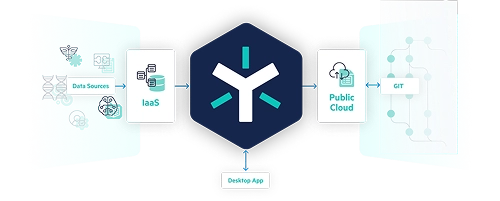
Streamline clinical data workflows and accelerate analysis in a secure, validated environment.

Protect sensitive data with strong confidentiality protocols, access controls, and secure handling practices.

Enable remote, flexible clinical studies using telemedicine, local providers, and digital data collection.
Let’s jump in and learn:
Before we talk about a data integration system, we must first understand – what is data integration? Data integration is the process of taking data from many different, unrelated sources and combining it into a single, unified view.
A data integration software or system is a structured framework that connects and unifies information from multiple applications, tools, models, and field sources. For AEC firms, this includes:
AEC projects involve hundreds of stakeholders and terabytes of data. A data integration software ensures this information flows in a controlled, consistent, and secure manner during construction project document management.
In short, it enables the entire project lifecycle, from planning and design to construction and handover, to function on a single version of truth.
Design and construction teams generate high volumes of data across multiple platforms. A robust data integration system synchronizes drawings, models, and documentation, ensuring teams work from a single, accurate dataset. This minimizes version conflicts, reduces duplication, and lowers the risk of costly rework.
Modern data integration tools connect field and office teams by automatically syncing RFIs, site photos, markups, and updates into central systems. Real-time visibility improves coordination, shortens response times, and enables faster, more informed decision-making.
An effective data integration process enhances data quality through validation, standardized workflows, and automated updates. Consistent permissions and audit trails support compliance, especially for organizations managing multiple projects and regulatory requirements.
By consolidating information across projects, businesses gain real-time insight into productivity, costs, schedules, and risks. This eliminates manual reporting and helps leadership allocate resources proactively and address issues early.
Advanced initiatives in engineering content management, including BIM automation, digital twins, and AI-driven analytics, depend on connected systems. Data integration software provides the foundation that enables scalable workflows and supports long-term digital innovation.
AEC projects generate data from BIM platforms, field applications, enterprise systems, sensors, and extensive documentation. To bring these fragmented sources together, firms rely on proven data integration patterns and architectures that enable reliable data flow across teams, tools, and project phases.
Both approaches support data integration in data warehouse environments and enable analytics, forecasting, and reporting.
Real-time data integration tools use APIs to connect design platforms, collaboration tools, and field applications. This ensures stakeholders always access current data for drawing updates, clash detection, issue resolution, and change management. API-driven architectures reduce latency, streamline approvals, and improve coordination across distributed teams.
Bi-directional synchronization keeps multiple systems aligned by automatically reflecting updates across platforms. Data replication further improves performance and reliability by ensuring frequently accessed information is available where teams need it most, especially when managing large files and dynamic construction data.
Many firms still rely on network drives, file servers, and hybrid storage models. File-based integration ensures large drawing sets, BIM and CAD files, photos, and as-built documentation remain accessible within a unified ecosystem, without disrupting established workflows.
Data virtualization enables teams to view and query data across systems without moving it. This supports live access to BIM data, consolidated views of schedules and costs, and faster decision-making, all while reducing storage overhead.
Event-driven architectures process continuous inputs from IoT devices, drones, and sensors to trigger alerts, update dashboards, and support predictive analytics. Underpinning many of these approaches is the Common Data Environment (CDE), which unifies BIM models, documents, and project data into a governed, single source of truth, forming the backbone of scalable data integration software strategies.
AEC enterprises rely on a complex mix of legacy systems, cloud platforms, construction management software, design tools, and large data repositories. As digital adoption accelerates, seamless connectivity across these systems becomes essential for improving project visibility, operational efficiency, and decision-making. Data integration plays a central role in this transformation, enabling AEC firms to consolidate information across BIM tools, field systems, and document platforms. Application integration, on the other hand, focuses on enabling applications to work together in real time to support day-to-day workflows.
The comparison below offers a clear view of how the two approaches differ and when each is most valuable.
Dimension | Data Integration | Application Integration |
Primary Objective | Unifies data from multiple systems for analytics, project reporting, risk tracking, and governance. | Connects applications so they function cohesively and automate real-time operational workflows. |
Processing Style | Works in bulk, batch, or scheduled pipelines; manages large project datasets from BIM models, drawings, and field records. | Works in real time through APIs, events, or message triggers between design, construction, and business applications. |
Nature of Information | Focuses on data at rest, including historical, analytical, and project performance datasets. | Focuses on data in motion, including transactional updates, field submissions, and operational changes. |
Output/Outcome | Produces clean, consolidated data stored in a warehouse, lake, or unified project repository. | Produces immediate operational actions such as updating records, syncing tools, or triggering workflows. |
Business Value | Supports long-term insights, trend analysis, portfolio-level reporting, and strategic decision-making. | Drives operational efficiency, automation, and faster, more responsive project execution. |
AEC enterprises process vast volumes of information-from BIM models and scheduling tools to procurement systems and field applications. Yet the movement of this data across platforms is often inconsistent. Having an effective data integration process helps AEC teams create a single, trusted foundation that supports analytics, governance, and cross-project coordination. The challenges below highlight common barriers organizations face.
Below are examples that highlight how integrated data environments help enterprises streamline operations and improve project visibility:
Egnyte supports AEC enterprises by centralizing files, workflows, and governance within a single secure platform. Its AEC solutions come with built-in cloud data integration tools, cloud connectors, and automated pipelines make it easier for firms to unify data across hybrid and cloud environments. With AI-driven metadata, automated classification, and consistent governance, Egnyte strengthens compliance and improves data accuracy across the project lifecycle. The platform integrates smoothly with data integration in data warehouse environments, enabling scalable, reliable, and high-performance data movement across all stages of design and construction.
Data integration consolidates data from multiple sources into a unified view for analytics, reporting, and governance. Application integration enables applications to exchange information and automate real-time actions across workflows.
ETL extracts data, transforms it externally, and loads it into a warehouse. ELT loads raw data first and transforms it within the target system, which suits cloud environments. CDC captures only incremental changes and moves them continuously for near-real-time updates.
Real-time data integration is ideal when immediate visibility is required, such as progress monitoring or operational dashboards. Batch integration is better for processing large datasets on scheduled intervals.
Leading data pipelines include real-time streaming and batch pipelines that manage scalable, automated data movement. They support scheduling, monitoring, and consistent delivery of reliable data for analytics and operational needs.
Egnyte has experts ready to answer your questions. For more than a decade, Egnyte has helped more than 22,000+ customers with millions of users worldwide.

Unify data across systems to improve accuracy, security, and decision‑making.

Ensure content integrity and privacy with governance that protects data from misuse and breaches.

Key trends shaping data management as AEC teams embrace digital transformation and smarter workflows.
Let’s jump in and learn:
Data integration brings together data from multiple systems into a unified, consistent, and usable format. While comparing data integration vs ETL, the former does not always require heavy transformation. The focus is on connectivity, movement, and access rather than complex restructuring.
Modern organizations use data integration tools to:
Below are the most common types of data integration.
ETL—Extract, Transform, Load—is a structured approach for preparing data for analytics. It is designed for accuracy, standardization, and consistency, especially when loading into a warehouse or BI environment.
Moves the transformed data into a target system such as:
ETL is widely adopted in organizations that depend on analytics, dashboards, forecasting models, and compliance-critical reporting.
Let’s better understand the seven key differences of data integration vs ETL.
Criteria | Data Integration | ETL |
Scope | Connects systems and synchronizes data for operations, applications, and cloud workflows | Focuses on preparing data for reporting and analytics |
Data Transformation | Minimal or real-time transformation; emphasis on movement and sync | Heavy transformation is core to the process |
Timing | Supports real-time, streaming, virtual, and batch | Primarily batch; some modern ETL tools support micro-batches |
Target Systems | CRMs, ERPs, cloud apps, APIs, operational systems | Warehouses, BI tools, analytics engines |
Data Type | Structured, semi-structured, unstructured | Mostly structured for warehouse schemas |
Use Case | Operational sync, application integration, real-time visibility | Business intelligence, analytics, compliance reporting |
Architecture | Connectors, APIs, messaging queues, and virtualization layers | Extract → Transform → Load process pipeline |
Selecting between data integration vs ETL becomes easier when you evaluate your organizational needs through a structured lens.
First, ask yourself: Do you need operational connectivity (integration) or analytics preparation (ETL)?
Examples where integration fits
Examples where ETL fits
Regardless of what you decide after comparing data integration vs ETL, these best practices improve reliability and efficiency.
Security and cost play an important role when choosing between data integration vs ETL:
Most organizations require:
While evaluating options, ensure you consider:
Well-designed governance ensures safe, compliant data movement—especially important in industries using AEC project management or large construction project management systems, where auditability is essential.
Both data integration and ETL are critical to modern data ecosystems. Data integration excels in real-time connectivity and application-to-application sync. ETL remains essential for analytics, BI, and structured reporting. Most organizations use both, with each supporting a different part of the data lifecycle.
Choosing the right approach between data integration vs ETL improves performance, reduces operational friction, and strengthens decision-making across the enterprise. With a platform like Egnyte, teams can unify content, streamline integration workflows, support ETL operations, and secure data across distributed teams, from engineering to field operations and beyond.
Yes. Many data integration tools are designed for small and midsize businesses. They offer affordable pricing, low-code interfaces, and simple connectors. These platforms help small teams automate manual tasks, improve accuracy, sync cloud apps, and support reporting without needing a full engineering staff.
You can use metrics such as:
Clear KPIs and continuous monitoring help track progress and identify areas for improvement.
A data integration specialist should have:
Soft skills like communication, problem-solving, and cross-team collaboration are equally valuable.
CDC tracks real-time changes in source systems and updates target systems with minimal delay.
CDC helps keep systems aligned and reduces the need for full data reloads.
Egnyte has experts ready to answer your questions. For more than a decade, Egnyte has helped more than 22,000+ customers with millions of users worldwide.
Unify scattered data to boost accuracy, security, and compliance.
AI‑powered collaboration and secure file control for architecture, engineering, and construction.

How AEC tool integrations and data‑driven decisions boost productivity and reduce risk.
Data represents events, transactions, activities, and other similar occurrences generated as organizations run their daily operations. Without interpretation, data remains descriptive and often misleading. Teams may reference the same dataset yet reach different conclusions due to missing or inconsistent context. Transforming data into insights helps bridge that gap.
The importance of turning data into insights is clear in its ability to help organizations understand observed data. It helps teams analyze and interpret data to reveal trends, make smarter decisions, and predict future outcomes. Without this conversion, decisions rely on experience, partial information, or intuition, which, over time, leads to rework, misalignment, and delayed action. This guide outlines the step-by-step process required to transform data into insights that decision-makers can rely on.
Let’s jump in and learn:
Transforming data into insights starts with identification and ends with analysis and interpretation. Attempting to analyze everything at once introduces noise and slows interpretation.
To begin the transformation, teams should first clarify what they are trying to understand and identify the data that directly supports that objective. This helps filter out irrelevant inputs before they enter the workflow. Once the right data is identified, teams can clean and organize it effectively and then move on to analysis. Here’s what the process looks like:
Insight begins with relevance, identifying which data contributes to understanding a specific problem. For that, teams should:
With this, analysis can be narrowed down and deep, producing results that are easy to interpret or act on.
Once data is selected, it must be prepared for the transformation. Inconsistent formats, duplicates, and outdated records undermine trust in results. To create a reliable foundation for analysis, teams should focus on the following steps:
If data quality is inconsistent, analysis results will be questioned, regardless of analytical sophistication. This step eliminates that possibility and renders the data ready for analysis and interpretation.
Analysis identifies patterns, trends, and anomalies. Interpretation explains what those findings mean in context. To translate findings into insight, teams should:
Analysis without interpretation produces metrics, not understanding. This is where teams generate insights from data and make interpretation possible. At each stage of the pipeline, various tools work together to help teams achieve that goal without unnecessary complications.
As data increases in volume and complexity, manual efforts no longer scale. To support interpretation at speed, teams rely on specific categories of tools that structure, summarize, and filter data into digestible information before analysis begins. Effective tools include:
The purpose of these tools is to reduce effort and noise, not replace interpretation. They help teams move from raw data to actionable insight.
Business intelligence (BI) depends on the quality of transformed data. Poor preparation leads to dashboards that appear precise but rely on inconsistent inputs, which weakens trust and decision-making. Accurate data transformation supports BI by:
As organizations scale, data spreads across systems, teams, and locations, making consistency harder to maintain. A cloud-based approach simplifies this by:
Without investment in accurate data transformation and cloud platforms, BI tools amplify errors instead of supporting decisions. Modern organizations therefore prioritize platforms that support the full data lifecycle, including:
Software improves insight discovery only when it reinforces each stage of the data-to-insight process rather than working around it. This requires a small set of disciplined, repeatable practices that maintain consistency and trust. Advanced software solutions support this by:
When software encourages one-off analyses or isolated outputs, speed may improve, but trust declines. Process discipline helps software produce insights teams can trust. Egnyte supports this approach through a centralized, governed environment where data remains connected to context, permissions, and lineage. In practice:
By reducing friction between data access and interpretation, Egnyte helps organizations maintain discipline without slowing insight generation. Data intelligence connects preparation, analysis, and usage patterns in one environment, allowing teams to move from data to insight efficiently while preserving accountability.
Organizations that treat insight generation as a discipline produce clearer outcomes and better decisions. Platforms like Egnyte support this work, but people remain responsible for interpretation. When process leads and tools support, data becomes insight rather than noise
Transforming data into insights involves identifying relevant data, cleaning and organizing it, analyzing patterns, and interpreting results in context. It is a coordinated process that combines preparation, analysis, and human review to ensure findings are meaningful and actionable.
Converting data into insights helps businesses understand trends, explain outcomes, and make informed decisions. Without interpretation, data remains descriptive and can be misleading, leading to misalignment, rework, and slower responses to operational or market changes.
Key tools include data integration platforms, data cleaning and preparation tools, analytics and query tools, and reporting or visualization solutions. These tools structure and summarize large datasets, reducing noise and enabling teams to focus on interpretation and decision-making.
Investing in data transformation improves business intelligence by ensuring dashboards and reports are built on consistent, high-quality inputs. This increases trust in BI outputs, reduces time spent resolving discrepancies, and aligns insights more closely with operational reality
Cloud-based platforms centralize data access, standardize preparation workflows, and enforce governance across teams and locations. This consistency supports scalable analysis, reliable interpretation, and controlled data movement, making insight generation more dependable as organizations grow.
Software accelerates data transformation by automating preparation, standardizing workflows, and reducing manual handling. It lowers operational friction while preserving process discipline, allowing teams to move faster from raw data to reviewed insights without sacrificing accuracy or trust.
Clean, well-organized data eliminates inconsistencies, duplicates, and outdated records that slow analysis. When data is standardized and reliable, teams spend less time questioning results and more time interpreting findings and acting on insights.
Egnyte has experts ready to answer your questions. For more than a decade, Egnyte has helped more than 22,000+ customers with millions of users worldwide.
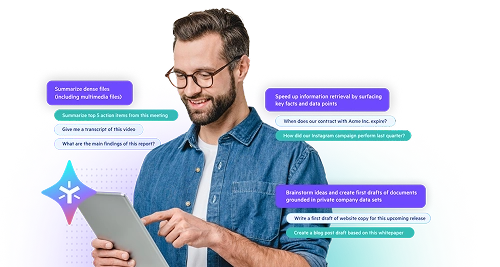
Convert raw data into smarter decisions with structured pipelines and AI.

Discover information instantly with Egnyte’s context‑aware, AI‑powered search.

AI that investigates, synthesizes, and delivers clear insights in minutes
Contract review is one of the most resource-intensive responsibilities within legal and operational teams. Manual workflows, inconsistent review standards, and fragmented communication channels often slow the pace of business and increase the likelihood of errors or overlooked obligations. These issues become more challenging as organizations grow and contract volumes expand across departments.
Legal teams are expected to protect the organization from risk while enabling the business to move quickly. Yet traditional review processes rarely support that balance. They demand repetitive, time-consuming work and create bottlenecks that make it difficult to maintain consistency, enforce compliance expectations, or provide timely guidance to stakeholders.
Recognizing these pressures, many organizations are re-evaluating how contract reviews should be executed. Instead of relying on manual effort, they are shifting toward solutions that bring structure, predictability, and greater control to the review cycle. This transition has positioned Contract Review Automation (CRA) as a strategic capability for modern legal and enterprise operations.
CRA standardizes review steps, enhances accuracy, and gives legal teams the visibility required to manage obligations with confidence. It supports faster turnaround times, reduces operational strain, and strengthens the organization’s ability to scale contract processes without compromising governance or legal oversight.
Let’s jump in and learn:
Contract review automation operates through a suite of advanced technologies designed to replicate and enhance human review capabilities. Here are the key technologies powering this transformation:
AI models trained on thousands of contracts recognize patterns, clause types, and risks. They learn from each review, continuously improving accuracy and adapting to your organization's unique standards.
Contracts are written in complex legal language that can be difficult to parse quickly. NLP enables machines to ‘understand’ and interpret text, identify meaning and context, and extract relevant clauses with precision. Critically, it distinguishes between superficially similar clauses with different legal implications, something that basic keyword searches miss entirely.
Organizations can pre-define acceptable standards using a contract review checklist, such as approved indemnity clauses, payment timelines, or liability caps. The system automatically flags any deviations from these playbook standards, ensuring consistency across all agreements while allowing strategic flexibility where it matters most.
Automated contract review software highlights potential legal, financial, and operational risks, then assigns priority scores based on business impact. This risk stratification allows leadership teams to focus their expertise on high-stakes negotiations rather than routine compliance checks.
Once analyzed, contracts are routed automatically for approvals, revisions, or execution based on their risk profile and stakeholder requirements. This eliminates manual follow-ups and email chains, creating an auditable path from review to signature that scales effortlessly with contract volume.
The significance of CRA becoming a strategic investment for organizations worldwide is multi-dimensional :
Organizational Intelligence Accumulation – Every contract reviewed by AI becomes training data for institutional memory. Unlike human reviewers who leave when they quit, automated systems capture negotiation patterns, successful clause variations, and counterparty behaviors, building a knowledge asset that appreciates over time.
The Negotiation Leverage Gap – Manual review processes lack bandwidth to analyze historical concessions, benchmark terms across similar agreements, or identify competitor patterns. Automation closes this intelligence gap, transforming contracts from legal documents into competitive weapons that reveal what terms are truly negotiable.
Scaling Without Diluting Quality – Traditional approaches force an impossible trade-off: slow down growth to maintain review quality, or accelerate deals at the expense of risk exposure. Contract review automation eliminates this false choice, allowing organizations to simultaneously increase contract velocity and strengthen review rigor.
The Compliance Paradox Resolution – Regulatory requirements intensify yearly, yet legal teams shrink relative to business growth. Automated review transforms compliance from a constraint into a continuous background process, monitoring regulatory changes, flagging non-conforming language, and updating playbooks automatically without creating bottlenecks.
Contract Review Automation delivers value across many roles and functions:
The future of contract review automation lies in deeper intelligence and predictive capabilities.
Egnyte supports this shift by combining secure collaboration, automated document processing, governance controls, and advanced content intelligence solutions in a single platform.
Egnyte streamlines contract review by classifying content automatically, identifying risks earlier, and providing audit-ready documentation without manual effort. Its AI-driven capabilities help teams manage large volumes of contractual data with clarity and control.
With Egnyte’s AI Assistant, legal and business teams can summarize documents, ask natural-language questions, and generate content securely within the data intelligence cloud. This allows organizations to accelerate review cycles, reduce operational burden, and make informed decisions with greater confidence.
Contract review automation uses AI, natural language processing, and rule-based logic to analyze contracts automatically. It identifies clauses, flags risks, checks compliance against predefined standards, and routes agreements through workflows, reducing manual review effort while maintaining legal and operational oversight.
It removes manual bottlenecks by standardizing review steps and accelerating approvals. Contracts move faster across legal, finance, and procurement teams, with fewer errors and clearer accountability. This improves cycle times, consistency, and visibility into contract status across the organization.
Yes. Automation enforces standardized clauses, approved terminology, and policy-aligned reviews. It flags non-compliant language, tracks regulatory obligations, and maintains audit trails, helping organizations reduce compliance risk while keeping reviews consistent as regulations and standards evolve.
Industries with high contract volumes benefit most, including legal services, financial services, healthcare, manufacturing, technology, procurement-driven enterprises, and HR departments. Any sector managing repetitive agreements or regulatory exposure can gain efficiency, accuracy, and stronger governance.
Automation reduces time spent on repetitive reviews, manual comparisons, and follow-ups. Legal and business teams focus on high-risk or strategic negotiations instead of routine checks, allowing more work to be completed with the same resources and improving overall operational throughput.
Contracts should be reviewed at creation, during amendments, before renewals, and when regulations or business policies change. Automated systems can also run continuous reviews, ensuring obligations, deadlines, and compliance requirements remain visible throughout the contract lifecycle.
Yes. Modern tools support a wide range of contracts, including sales agreements, supplier contracts, NDAs, employment agreements, leases, and compliance documents. AI models adapt to varied formats and language, enabling consistent review across diverse contract portfolios.
Egnyte has experts ready to answer your questions. For more than a decade, Egnyte has helped more than 22,000+ customers with millions of users worldwide.

Instant clause and obligation insights with Egnyte’s AI Contract Analyst.
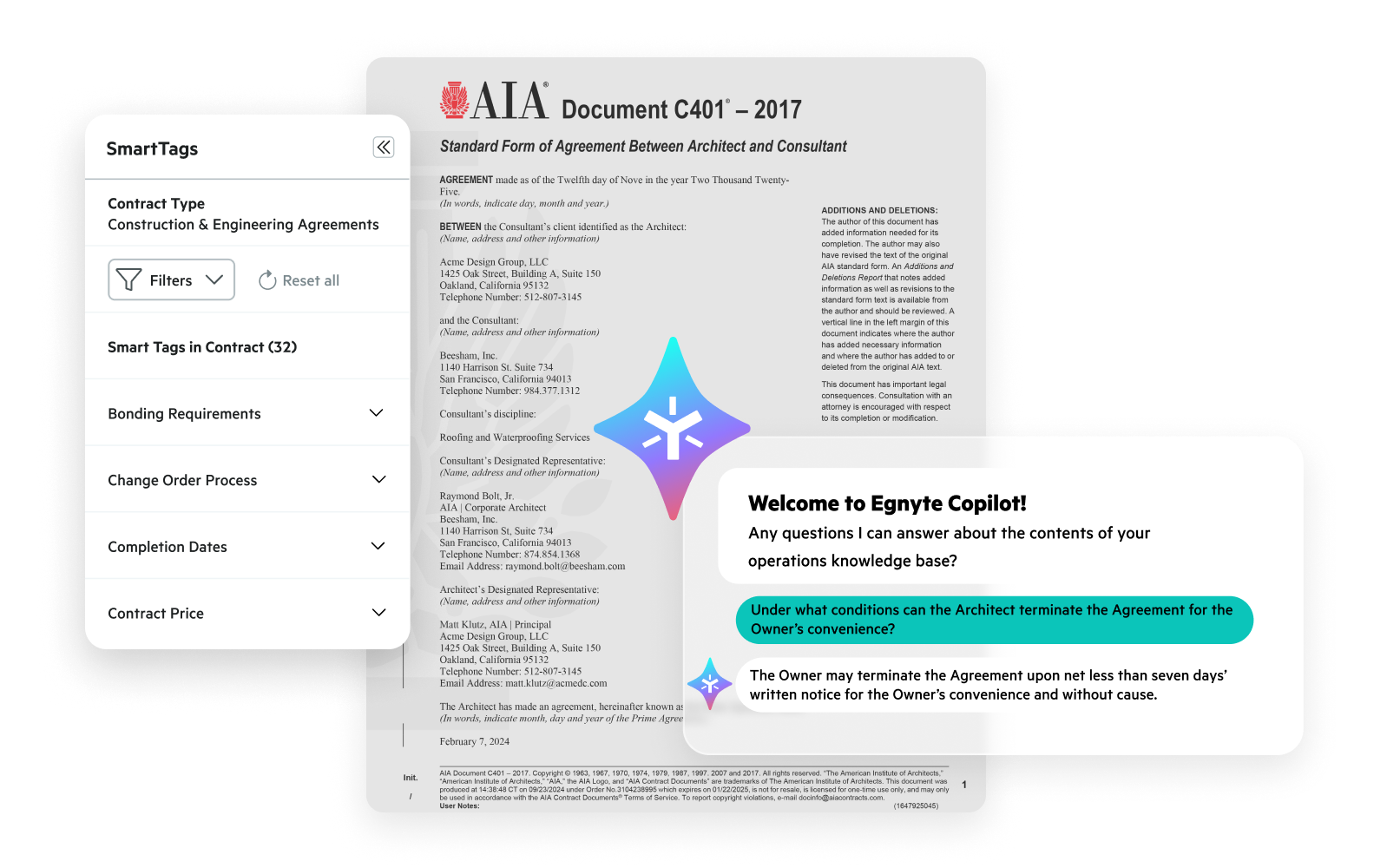
Turn dense legal language into simple, actionable insights with Egnyte AI.

Streamline contract workflows with automation that boosts efficiency and cuts manual work.
Contracts are a foundational element of business operations, influencing performance, compliance, and commercial outcomes across departments. Yet, manual contract practices still dominate in many organizations, leading to inefficiencies, errors, and risk exposures that impact growth and governance.
In such cases, contract workflow automation changes how teams work with agreements by embedding intelligence into every stage of the contract lifecycle. Many contract professionals increasingly recognize the need for tools that deliver actionable contract intelligence, enabling rapid extraction of key terms and performance metrics at scale. It can reduce contract cycle times by 30-50% and cut administrative costs by 25-30% when paired with structured contract intelligence platforms.
This guide explains why contract management challenges persist, how contract intelligence tools tackle them, and the three most significant benefits that help companies grow.
Let’s jump in and learn:
Contract management strain stems from operational fragmentation, interpretive complexity, and regulatory burden, such as:
These architectural constraints increase operational risk and reduce organizational agility.
In the evolution of contract management, the integration of artificial intelligence has shifted the paradigm from manual oversight to strategic intelligence. Rather than being a peripheral enhancement, AI in data security has become foundational to how organizations extract value and manage risk across the contract lifecycle.
42% of organizations have started implementing AI in contracting processes, up from 30% a year earlier, underscoring the rapid embrace of data intelligence technologies in enterprise contracts. At the core of contract intelligence solutions, AI delivers three fundamental capabilities.
Organizations that adopt these capabilities gain clarity and modernize a core business function that directly impacts financial outcomes and governance excellence.
In mature organizations, contracts are executable business logic. Contract intelligence solutions paired with artificial intelligence in contracts correct these systemic weaknesses, enabling clarity, speed, and resilience in decision-making.
In many organizations, contract creation and approval are manual and siloed. These delays consume budget and trap legal teams in repetitive tasks that add no strategic value.
Contract intelligence solutions replace manual handoffs with structured workflows. By consolidating contract data into a centralized repository and enforcing approval rules, these systems reduce cycle times and eliminate bottlenecks. Dashboarding and real-time status updates provide business leaders with consistent visibility across portfolios.
Introducing AI further accelerates these gains. Contract AI software extracts terms, populates templates, and recommends contract clauses based on historical patterns, cutting the time to first draft.
Risk in contract management arises from two linked problems. First, organizations lack consistent visibility into key clauses and obligations. Second, human reviewers miss variations that expose the company to regulatory or financial risk.
Contract intelligence platforms solve this by transforming unstructured contract text into actionable data. These systems index clauses, deadlines, obligations, and regulatory conditions and make them discoverable across the enterprise. AI amplifies this capability in three ways:
Contracts contain rich signals about supplier performance, pricing trends, and negotiation history. Yet without AI content intelligence, this information remains trapped in PDFs and shared drives.
Contract intelligence solutions aggregate contract data in structured formats that feed analytics and reporting engines. Executives gain visibility into patterns such as supplier renewal behavior, revenue recognition drivers, or exposure to contractual penalties.
AI extends this capability into predictive territory. By analyzing historical outcomes at scale, artificial intelligence-driven contract management software can forecast negotiation leverage, highlight clauses associated with performance shortfalls, and recommend optimal language for future agreements.
Contract workflow automation, paired with contract intelligence and enriched by AI, improves operational efficiency, enhances risk and compliance posture, and unlocks strategic value from contract portfolios.
Egnyte stands out as a unified content platform and artificial intelligence-driven contract management software solution that helps enterprises elevate document management into a strategic advantage.
If your contract processes still feel manual, fragmented, or invisible, the risk is real and growing every day. Waiting means more blind spots, slower decision cycles, and increased exposure. For organizations that need dependable intelligence from their contract ecosystem, Egnyte’s platform delivers precision, scale, and strategic clarity.
Contract intelligence goes beyond storage and tracking. It uses AI to extract clauses, obligations, and risks from unstructured contracts, turning them into searchable, actionable data. Traditional contract management focuses on filing and workflows, while contract intelligence enables insight, prediction, and decision support.
Contract intelligence tools can manage a wide range of agreements, including supplier contracts, customer agreements, employment contracts, NDAs, leases, and compliance documents. AI models adapt to varied formats and language, enabling analysis across diverse contract types and industries.
Organizations gain faster contract cycles, lower administrative costs, improved visibility, and stronger governance. Contract workflow automation reduces manual effort, while AI-driven insights help leadership identify risks, optimize negotiations, and make data-backed decisions across large contract portfolios.
Yes. AI-powered tools automatically track obligations, renewal dates, and regulatory clauses. They flag deviations, alert teams to upcoming deadlines, and surface compliance risks early, reducing the likelihood of missed actions, audit issues, or financial penalties.
AI contract review tools are highly accurate for extraction, classification, and pattern detection at scale. However, they do not replace human judgment. Instead, they accelerate review by preparing structured insights, allowing legal and business teams to focus on interpretation and decisions.
Key considerations include accuracy of clause extraction, governance and security controls, integration with existing systems, scalability, auditability, and AI transparency. The platform should support workflow automation while ensuring contracts remain controlled, traceable, and compliant throughout their lifecycle.
No. While legal teams benefit significantly, contract intelligence also supports procurement, finance, compliance, sales, and leadership. Platforms like Egnyte enable cross-functional visibility, helping organizations use contracts as strategic business assets rather than isolated legal documents.
Egnyte has experts ready to answer your questions. For more than a decade, Egnyte has helped more than 22,000+ customers with millions of users worldwide.
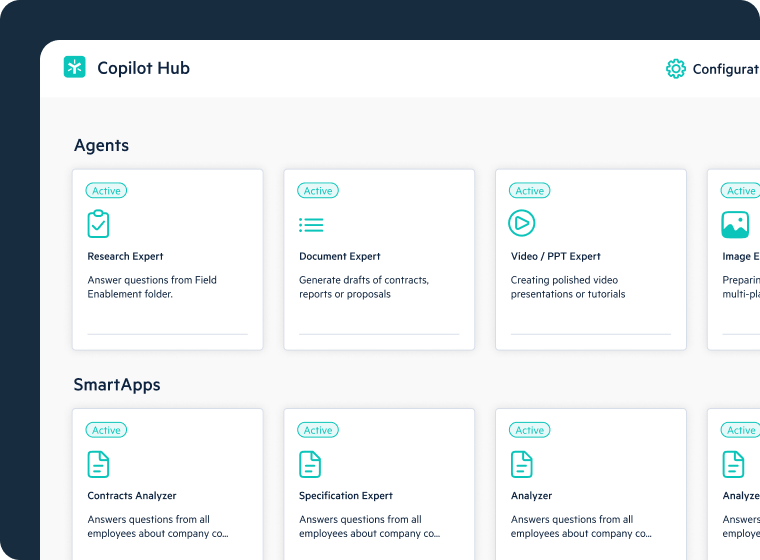
Automate repetitive tasks with secure, no‑code AI agents that streamline workflows and boost efficiency.
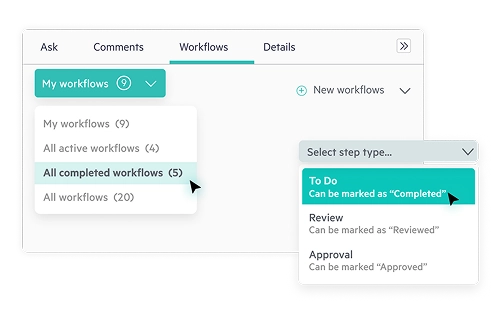
Automate document tasks with AI‑driven triggers to streamline reviews, approvals, and overall efficiency.
AI‑driven workflows speed up decisions by reducing manual steps and improving data accuracy.
As organizations grow, execution becomes harder to control. Work spreads across tools, teams, and time zones, and progress depends on constant follow-ups, handoffs, and status checks. Leaders spend more time resolving coordination gaps instead of setting direction.
AI agents automation addresses this execution strain by shifting repeatable coordination and monitoring work away from humans. AI agents are goal-driven software programs that observe inputs and act within defined rules. AI agents automation refers to the use of these agents to run, coordinate, and monitor business processes consistently across systems. In business environments, this includes routing tasks, tracking status, summarizing activity, and enforcing workflow steps, without determining priorities or outcomes. This helps business leaders maintain execution continuity as scale and complexity increase.
Let’s jump in and learn:
For business leaders, the importance of AI agents automation is more strategic than technical. By standardizing how tasks move across systems and how information is prepared, AI agents reduce coordination overhead while preserving leadership control over decisions and accountability.
With AI agents handling monitoring and execution steps, leaders spend less time resolving process breakdowns and chasing updates. With this, they become free to focus on setting direction, managing risk, evaluating outcomes, and using agents to transform operations instead of supervising day-to-day execution details.
For business operations, AI agents automation changes workflows with continuous execution within a set pipeline where tasks follow defined paths and information reaches the right people in a usable form. This approach improves reliability by:
AI agents support decisions by preparing inputs. They summarize activity, flag exceptions, extract key information and surface relevant context essential to making decisions. This reduces the manual effort required to gather information and still lets leaders interpret results and choose actions.
AI agents reduce repetitive coordination work. Teams spend less time tracking status or reformatting information, improving productivity by shifting efforts from managing processes to applying expertise.
Beyond that, AI agents also help maintain the workflow even when individuals are unavailable. They help leaders gain clearer visibility into how processes run across the organization and maximum strategic advantage out of agentic automation.
For businesses, the advantages of AI agents automation are operational, not promotional. They relate to how work scales and stays consistent with benefits like:
AI agents consolidate signals from systems and workflows, contributing to broader data intelligence efforts. Leaders receive structured summaries instead of scattered updates.
When execution flows through agents, leaders can see where effort concentrates. This visibility supports prioritization and adjustment before issues escalate by letting leaders invest strategically.
Consistent, agent-led execution allows organizations to adapt to changes faster. The advantage comes from fewer breakdowns and clearer coordination that accelerates decision-making and keeps leaders ahead of the competition.
These advantages help business leaders lay the foundation for streamlining AI agent automation. Advanced, comprehensive solutions play a major role in this process by supporting long-term scalability and broader organisational impact.
AI agents automation introduces risk when execution scales faster than governance. Without How Egnyte Supports AI Agents Automation
Egnyte allows agentic automation within a secure, governed content environment, helping agents operate on trusted information rather than unmanaged data. AI agents run directly against content stored in Egnyte, inheriting defined and existing permissions, policies, and access controls.
AI agents automation creates strategic value when it focuses on controlled execution, not total autonomy. Agents must operate within defined rules, and platforms must enforce governance. When implemented this way, and with platforms like Egnyte, AI agents become reliable executors that support leadership decisions and become essential tools to achieve better and scalable results.
AI agents automation delivers consistency, speed, and coordination at scale. It reduces manual follow-ups, standardizes execution across systems, and prepares structured information for leaders. The strategic advantage comes from controlled execution that improves reliability without removing human ownership of decisions.
AI agents automate workflows by observing inputs, routing tasks, tracking status, and enforcing predefined steps across systems. They handle repeatable execution and monitoring tasks, ensuring work progresses consistently while leaders retain authority over priorities, outcomes, and decision-making.
AI agents automation can be applied to operations, compliance, research, document review, reporting, and coordination-heavy processes. Any function involving repeatable workflows, status tracking, summaries, or rule-based execution can benefit without transferring decision authority to automation.
AI agents enhance decision-making by preparing inputs rather than choosing outcomes. They summarize activity, flag exceptions, and surface relevant context, reducing information-gathering effort so leaders can evaluate situations faster with clearer, more reliable inputs.
Productivity increases as AI agents remove repetitive coordination tasks like status checks, updates, and handoffs. Teams spend less time managing workflows and more time applying expertise, while processes continue running smoothly even during staff unavailability.
By centralizing execution signals, AI agents provide visibility into where time, effort, and delays occur. Leaders can identify bottlenecks early, rebalance workloads, and allocate resources more effectively before issues escalate or productivity declines.
AI automation reduces operational friction and execution delays. Faster coordination, fewer breakdowns, and consistent workflows allow organizations to respond quickly to changes, make informed adjustments, and maintain momentum ahead of competitors.
Egnyte has experts ready to answer your questions. For more than a decade, Egnyte has helped more than 22,000+ customers with millions of users worldwide.
AI agents automate complex tasks, boost efficiency, and deliver actionable insights across enterprise workflows.
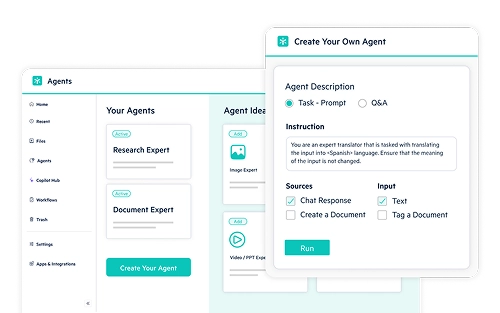
Egnyte’s no‑code AI Agent Builder enables quick, secure automation for content‑heavy tasks.

Automate document tasks with AI‑driven triggers to improve efficiency and accuracy.
Organizations generate more content than teams can review, interpret, or act on manually. Files, documents, and messages spread across systems, making it difficult to extract insight at the moment decisions need to be made. As a result, decisions usually rely on partial information or outdated context. That's the problem AI decision-making aims to solve.
AI-powered decision-making refers to the use of artificial intelligence to address the said gap by changing how content insights are prepared. It uses AI and machine learning algorithms to back decisions by analyzing huge datasets, identifying patterns, and preparing actionable inputs to optimize content strategies and improve business outcomes.
In content, AI-powered decision-making focuses on extracting meaning from unstructured sources such as documents, reports, and communications. AI systems summarize, classify, and surface information so decision-makers can review it with context. In business, AI assists by reducing the effort required to interpret large volumes of data and content. This approach aligns with intelligence in decision-making, where insight quality matters more than automation.
Let’s jump in and learn:
Businesses are adopting AI-based decision-making because manual processes are not efficient and scalable anymore. As content volumes increase, teams struggle to locate relevant information in time to support decisions. This leads to challenges like delays, rework, or decisions based on incomplete context.
AI-based decision-making helps address these challenges by preparing content insights consistently. Instead of relying on ad hoc searches, organizations use AI to highlight patterns, exceptions, and relationships across content. This reduces cognitive load and allows leaders to focus on evaluation rather than information gathering.
Another driver is risk. Without governance, decisions made on unmanaged content can expose organizations to compliance and security issues. AI systems that operate within controlled environments help maintain oversight while improving decision support and helping transform businesses with content insights.
AI-driven decision-making transforms businesses by changing how insight flows through the organization. Rather than treating content as static records, AI systems continuously analyze content to keep insights current. This transformation shows up in practical ways where:
AI-driven content insights also improve consistency because:
Note that accountability does not shift to AI. Instead, it prepares and filters information for personnel to interpret and choose actions based on the outputs. Judgment remains human, informed by clearer and more timely insight delivery. The advantage lies in the speed and reliability of insight flow, not in automated decision-making authority.
In this model, AI and decision-making work together by improving input quality while preserving ownership, context, and responsibility. The transformation lies in how quickly and reliably insight reaches decision-makers, and how intelligence in decision-making is applied to utilize an effective content strategy.
AI-powered decision-making plays a role wherever content informs action. In content strategy, this includes four such areas: governance, compliance, research, and operational planning. Here’s a quick overview:
In regulated environments, AI helps surface risk indicators while respecting data security using AI practices. When combined with content intelligence solutions and applied at the right time, AI supports the decision-making process with consistent interpretation of content across teams. This guarantees that insights derived from content align with organizational rules rather than individual judgment alone.
The right time to implement AI in decision-making is when content volume begins to outpace human review capacity. If teams rely heavily on manual searches or informal knowledge sharing, it often leads to inconsistent, lower-quality insights. AI helps streamline decision-making by suggesting what specific input or insight is necessary for making a particular decision.
AI decision-making works best when introduced as support, not replacement. Starting with limited, governed, and well-defined use cases reduces risk and builds trust in outputs. This is where comprehensive solutions like Egnyte play a critical role, aligning intelligent decision-making with governance, oversight, and accountability.
AI-powered decision-making depends on where and how AI operates. Egnyte Intelligence supports AI-powered decision-making by providing a governed environment where AI operates on trusted, permissioned content. Tools like Egnyte’s AI-Assistant allow teams to review summaries, explore patterns, and validate context before acting, keeping decisions accountable and human-led.
Through its data intelligence cloud, Egnyte connects content, metadata, and AI analysis in one system. When AI runs within governed systems, it amplifies decision quality without weakening control, and the platform becomes the bridge between content intelligence and human judgment.
Artificial intelligence and decision-making work best together when roles remain clear: AI supports interpretation at scale, and people remain responsible for decisions and outcomes. Organizations that treat AI as an insight partner rather than a decision-maker improve consistency, reduce risk, and make better use of their content for smarter decision-making.
AI powers decision making by analyzing large volumes of content and data to surface patterns, summaries, and exceptions. It prepares relevant context and insights so decision-makers can evaluate information faster and more consistently, while final judgment and accountability remain with humans.
Businesses use AI in decision making to manage scale, speed, and growing content volumes. AI reduces manual effort, improves insight consistency, and ensures decision-makers receive timely, contextual information, helping them act with greater confidence and reduced operational risk.
AI improves secure content insights by summarizing documents, classifying files, highlighting relevant sections, and identifying patterns or risks. This enhances clarity, reduces information overload, and ensures insights are contextualized, governed, and easier to review during decision-making processes.
It is time to implement AI when content volumes exceed human review capacity, decisions rely on incomplete context, or teams spend excessive time searching for information. These signals indicate that AI can help streamline insight preparation and improve decision support.
Examples include AI flagging compliance risks in documents, summarizing research materials for faster evaluation, identifying governance-relevant content, and highlighting operational trends. These applications allow leaders to focus on evaluating implications rather than manually reviewing large content sets.
A leading solution applies AI within governed systems to analyze trusted, permissioned content. It summarizes information, surfaces patterns, and preserves context while enforcing access controls, ensuring insights are reliable, reviewable, and aligned with organizational rules.
AI-powered decision making transforms content insights by shifting them from static records to continuously analyzed inputs. Insights become timely, structured, and traceable, enabling consistent interpretation and faster delivery to decision-makers without removing human oversight or responsibility.
Egnyte has experts ready to answer your questions. For more than a decade, Egnyte has helped more than 22,000+ customers with millions of users worldwide.

AI‑driven insights that strengthen governance and reduce risk.
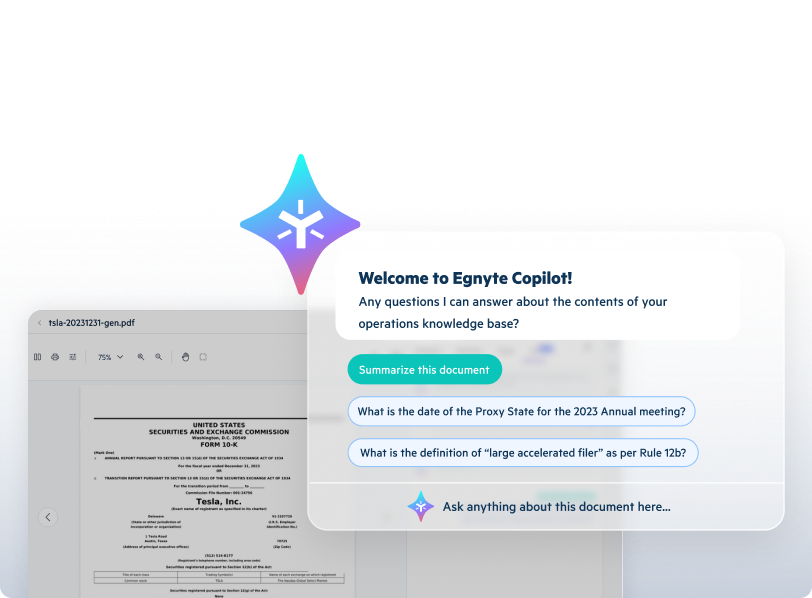
AI‑powered tools that deliver fast, reliable insights and streamline content workflows.
Automate document tasks with AI-driven triggers that boost efficiency and streamline approvals. [egnyte.com]
Business intelligence (BI) and analytics provide structured ways to collect, organize, and report on business data. BI systems consolidate information from multiple sources and present it through reports and dashboards so teams can monitor performance and trends with consistency. This shared visibility helps organizations track outcomes, identify deviations, and maintain operational awareness across teams.
However, business intelligence is primarily descriptive. While it shows what has happened, it does not explain why patterns appear or how leaders should respond. Without interpretation and context, dashboards remain informational rather than actionable. This gap is where insights in business analytics become critical, turning reported data into understanding that supports informed decision-making.
Let’s jump in and learn:
Insights translate reported data into understanding. They connect numbers to context, helping teams interpret causes, risks, and opportunities. Business intelligence insights emerge when analytics outputs are examined through business rules, domain expertise, and operational priorities.
Without this interpretive layer, analytics results remain informational. When insights are clearly defined and shared, they can guide decisions such as reallocating resources, adjusting processes, or responding to emerging risks. However, this outcome remains difficult for many organizations to achieve in practice.
Most business intelligence tools excel at aggregation and visualization. They surface trends, highlight deviations, and support reporting cycles. Yet many organizations find that these tools fall short of influencing outcomes.
Organizations struggle to convert business intelligence and data analytics into insights for predictable reasons. The most common challenges, and the ways teams address them, are summarized below.
Addressing these issues shifts business intelligence from passive reporting to active insight support and prepares organizations to generate usable insights.
Reliable insights require trusted data built on clear ownership, consistent definitions, and governed access across teams and systems. When analytics operate on unverified or poorly classified data, results may appear precise but remain unreliable.
To support insight generation, data analytics and business intelligence tools must integrate with analytics layers, support contextual metadata, and align outputs with decision processes. Integration with broader data intelligence solutions helps preserve meaning and consistency as data moves across teams.
Equally important is establishing a repeatable process from business data to insight. This typically includes:
When these steps are formalized, insights become part of routine operations rather than isolated discoveries.
When BI and insight practices are intentionally connected, organizations move from static reporting to informed action. To make this combination effective, analytics outputs must translate into accountable decisions and follow-up actions. Analytics outputs should be reviewed in structured forums, assigned to accountable owners, and linked to operational next steps. Without these links, insights often lose relevance after initial review.
In practice, the steps to integrate intelligence and insights include:
Platforms that integrate analytics with content, metadata, and collaboration help maintain continuity. Solutions like content intelligence platforms and an AI-Powered Copilot can surface relevant patterns across governed data while respecting permissions and context. Advanced systems also reinforce data security with AI, making sure insights remain trustworthy as access expands. As intelligence and insights move from isolated initiatives to everyday workflows, sustaining consistency becomes increasingly important.
Combining business intelligence and insights delivers value only if the integration holds as data volumes, users, and use cases grow. At scale, business intelligence insights remain effective when three conditions are met:
Advanced systems support this by unifying analytics inputs with content, metadata, and access controls. They embed intelligence into everyday workflows using shared definitions and trusted data, reducing duplication and confusion. This allows insights to move from analysis to execution without losing meaning. Organizations that govern this integration over time benefit from clearer accountability, repeatable decision processes, and more consistent outcomes.
Egnyte supports this integration through AI-powered intelligence products in a governed environment where data, content, and intelligence converge. The platform allows organizations to manage information centrally, apply metadata and classification, and maintain controlled access across teams.
Through intelligent search, content intelligence platforms, and assistive capabilities, such as an AI Assistant, Egnyte helps teams surface relevant patterns, interpret context, and share insights responsibly without compromising data security with AI.
By aligning analytics, governance, and collaboration in one system, Egnyte helps organizations move beyond reporting toward consistent insight-driven decisions. The result is not more dashboards, but a clearer understanding, stronger alignment, and better results from business intelligence and insights working together at scale.
Business intelligence provides structured visibility into organizational data. It collects, organizes, and presents information through reports and dashboards, enabling teams to monitor performance, track trends, and maintain consistent awareness of operations across departments and time periods.
Business insights add interpretation and context to reported data. They explain why trends occur and what actions may be required, helping leaders move beyond observation toward informed decisions that address risks, opportunities, and operational priorities.
BI tools centralize data and present it in consistent formats, enabling teams to identify deviations, measure outcomes, and compare results over time. This visibility supports performance tracking, accountability, and timely corrective actions across business functions.
The process includes ensuring data quality, applying analytics aligned to business questions, interpreting results with domain context, and communicating findings in decision-focused formats. Formalizing these steps helps insights become repeatable and operational rather than ad hoc.
Integrating BI with insights turns static reports into actionable outcomes. It improves decision speed, consistency, and accountability by linking analytics outputs to business context, governance, and defined follow-up actions within everyday workflows.
Common challenges include fragmented data sources, delayed updates, complex datasets, poor visualization, and excessive metrics. These issues disrupt context and relevance, making it harder to interpret analytics and translate intelligence into practical decisions.
Organizations that align BI with insights typically see faster decisions, clearer accountability, and reduced rework. By centralizing data, applying consistent definitions, and embedding insights into workflows, teams move from periodic reporting to continuous, insight-driven execution.
Egnyte has experts ready to answer your questions. For more than a decade, Egnyte has helped more than 22,000+ customers with millions of users worldwide.
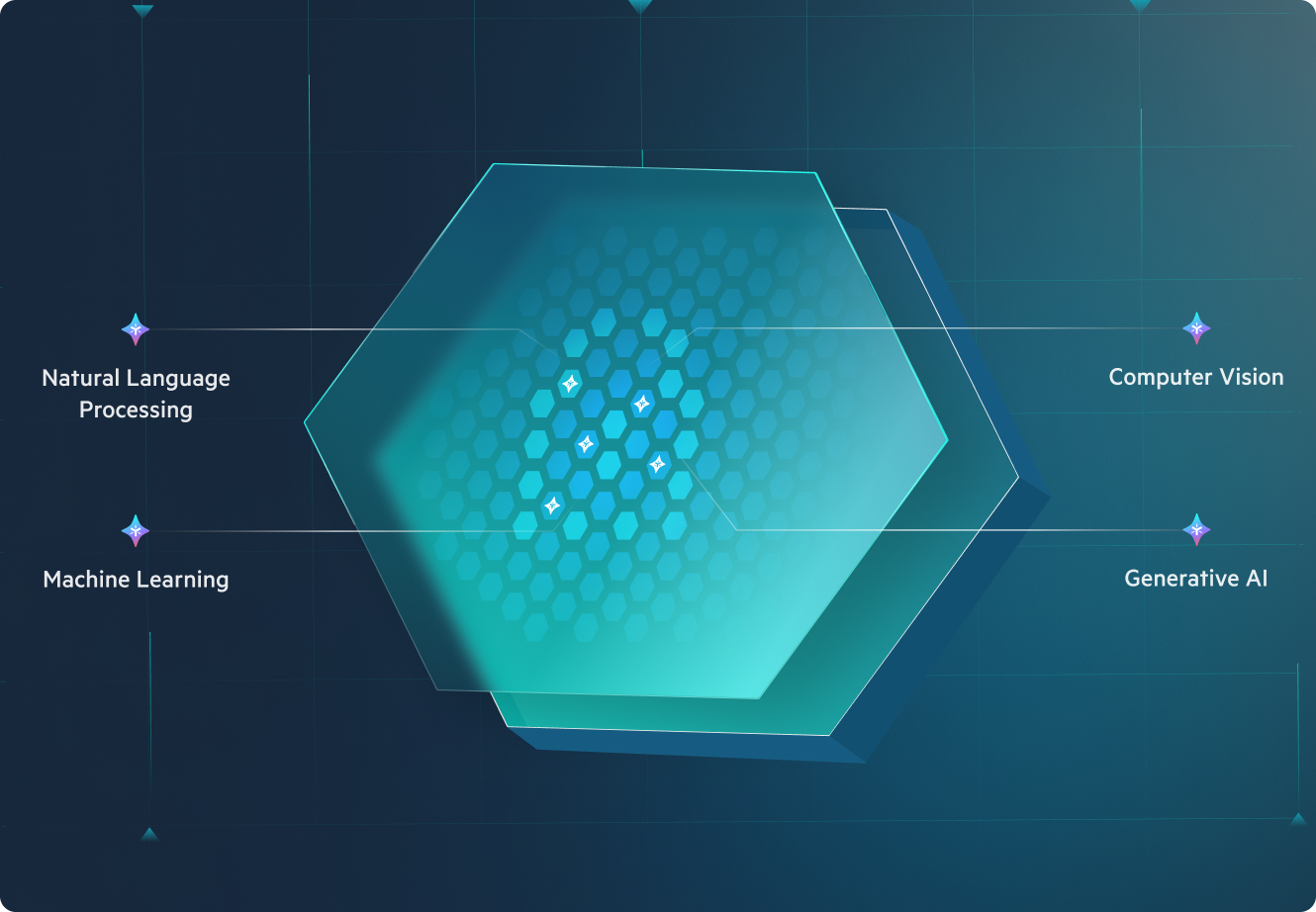
AI‑powered content intelligence boosts content performance and smarter decision‑making. [egnyte.com]
AI‑driven insights that strengthen governance and improve decision‑making.
Unlock fast, accurate insights with secure, workflow‑ready AI built directly into your content.
See How Private Equity Teams Are Using AI to Accelerate CIM Review.