
Compliance Automation Builds Continuous Compliance into Data Governance
Modern organizations manage massive volumes of sensitive data while navigating increasingly complex regulations. Manual oversight alone cannot keep pace. Compliance automation helps businesses embed compliance directly into their data operations, ensuring policies are enforced continuously across systems, users, and environments.
By integrating automation with governance practices, organizations reduce risk, simplify audits, and maintain control over sensitive information without slowing innovation.
Let’s jump in and learn:
- Main Takeaways
- What Is Compliance Automation?
- Why Does Compliance Automation Matter in Data Governance?
- How Does Compliance Automation Reinforce Continuous Compliance?
- The Strategic Benefits of Integrating Compliance Automation into Data Governance
- Navigating the Challenges of Implementing Compliance Automation in Data Governance
- Conclusion
Main Takeaways
- Compliance automation replaces manual oversight with real-time monitoring, automated policy enforcement, and continuous validation across systems, reducing errors, operational costs, and audit complexity
- Continuous compliance automation ensures policies remain active across cloud and on-prem environments, helping organizations maintain data integrity, enforce governance standards, and stay aligned with evolving regulations
- A compliance automation platform simplifies audits by automating evidence collection, maintaining detailed audit trails, and generating real-time reports, reducing audit preparation time from weeks to hours
- Security compliance automation protects sensitive data through AI-driven classification, automated access controls, and proactive threat detection, securing PII, PHI, and financial information
- Compliance automation solutions enable scalable growth by reducing reliance on manual processes, supporting secure collaboration, and allowing organizations to expand without increasing compliance overhead
What Is Compliance Automation?
Many leaders ask: What is compliance automation? And how does it improve governance? In simple terms, it refers to using software and intelligent workflows to automate regulatory monitoring, enforcement, and reporting.
Instead of relying on manual reviews, automated systems continuously validate data activities against compliance standards.
Key capabilities typically include:
- Automated policy enforcement
- Applies compliance rules across systems and data repositories.
- Prevents unauthorized actions before they occur.
- Continuous monitoring
- Tracks file access, sharing, and modifications in real time.
- Detects potential policy violations immediately.
- Automated evidence collection
- Maintains logs and audit trails automatically.
- Reduces the administrative burden during compliance audits.
- Integrated compliance automation platform
- Connects with cloud services, identity tools, and collaboration systems.
- Provides centralized visibility across hybrid environments.
By integrating compliance and automation, organizations move from reactive compliance to proactive governance.
The Role of Compliance Automation in Businesses
Regulatory requirements continue to expand across industries such as finance, healthcare, and technology. Organizations must comply with frameworks like GDPR, HIPAA, and SOX while still enabling productivity.
Compliance automation helps businesses manage this complexity.
Benefits include:
- Operational efficiency
- Automated controls reduce manual compliance workloads by as much as 60–70%.
- Teams focus on strategy instead of documentation.
- Unified governance
- Centralized dashboards track compliance across departments and locations.
- Leaders gain visibility into risks and compliance posture.
- Improved collaboration
- Secure data sharing ensures employees can collaborate without violating policies.
For organizations building a strong data governance framework, automation ensures compliance becomes part of everyday workflows.
Understanding the Need for Compliance Automation in Stock Trading
Financial institutions face some of the strictest regulatory oversight in the world. In stock trading, even minor compliance failures can lead to severe penalties.
Compliance automation helps trading firms manage these risks.
Common applications include:
- Automated trade monitoring
- Detects suspicious patterns such as spoofing or insider trading.
- Flags unusual order sizes or price changes instantly.
- Algorithm oversight
- Maintains records of automated trading strategies.
- Ensures algorithms follow regulatory guidelines.
- Regulatory reporting
- Generates reports automatically for regulators.
Why Does Compliance Automation Matter in Data Governance?
Data governance ensures organizations maintain control over their information assets. However, governance frameworks fail without consistent enforcement.
Compliance automation strengthens governance by embedding compliance rules directly into workflows.
Key benefits of automated data compliance regulations include:
- Continuous policy enforcement
- Policies apply automatically across storage systems and collaboration tools.
- Improved risk management
- Early detection of policy violations reduces exposure.
- Alignment with regulations
- Automated mapping ensures governance policies meet evolving regulatory requirements.
Organizations building enterprise data governance strategies increasingly rely on automation to maintain a trusted data environment.
The Significance of Compliance Automation in Maintaining Data Integrity
Maintaining data integrity is essential for regulatory compliance and business decision-making.
Automation improves integrity by ensuring accurate classification and protection of sensitive information.
Key capabilities include:
- Automated data classification
- AI identifies sensitive files such as financial records, contracts, or patient information.
- Real-time protection
- Policies automatically restrict access to confidential data.
- Complete data lineage
- Systems track how data moves across users and applications.
For example, a healthcare organization used automated classification to detect files containing protected health information (PHI) and automatically quarantined them, preventing a potential compliance breach.
Compliance Automation: A Necessity in Modern Corporations
Regulatory landscapes evolve constantly. Global organizations must comply with dozens of overlapping regulations.
Compliance automation helps corporations maintain consistent standards across regions and teams.
Benefits include:
- Centralized governance policies
- Compliance rules apply uniformly across departments.
- Transparency and accountability
- Detailed logs provide evidence for regulators and stakeholders.
- Reduced compliance overhead
- Organizations scale operations without expanding compliance teams.
Automation also supports cloud data governance, ensuring policies apply across distributed environments.
The Influence of Compliance Automation on Financial Regulations
Financial institutions operate under strict regulatory frameworks.
Automation simplifies compliance with regulations such as:
- SOX (Sarbanes-Oxley)
- PCI DSS
- SEC reporting standards
Automation improves compliance by:
- Mapping controls to frameworks
- Systems align policies with regulatory requirements automatically.
- Generating regulatory reports
- Compliance evidence is collected continuously.
- Preventing compliance drift
- Alerts notify teams when configurations deviate from standards.
How Does Compliance Automation Reinforce Continuous Compliance?
Many organizations ask: What is continuous compliance? It refers to the ability to maintain compliance at all times rather than only during audits.
Continuous compliance automation ensures that controls operate constantly across systems and processes.
Key elements include:
- Real-time monitoring
- Detects policy violations immediately.
- Automated remediation
- Triggers workflows to fix issues automatically.
- Integrated security compliance automation
- Combines compliance monitoring with threat detection.
By implementing a security and compliance automation platform, organizations maintain compliance without constant manual intervention.
Automating Compliance Duties for Privacy Standards
Privacy regulations such as GDPR and CPRA require strict protection of personal data.
Automation simplifies privacy compliance through:
- Sensitive data discovery
- Identifies personally identifiable information (PII) automatically.
- Access control enforcement
- Restricts who can view or share confidential files.
- Audit logging
- Maintains detailed records of data access and sharing.
Motivating Factors for the Adoption of Compliance Automation in Businesses
Organizations adopt compliance automation solutions for several strategic reasons.
Primary drivers include:
- Rising regulatory penalties
- Data breach costs averaged $4.4 million globally according to IBM’s data breach report.
- Operational efficiency
- Automated processes reduce manual compliance tasks by up to 50%.
- Scalable governance
- Compliance expands with the business without additional staffing.
- Better analytics
- Clean, well-governed data improves business intelligence and AI initiatives.
The Impact of Compliance Automation on Risk Management
Automation strengthens risk management by identifying threats early.
Key risk reduction benefits include:
- Behavior monitoring
- Detects suspicious user activities such as bulk downloads.
- Insider threat detection
- Identifies unusual access patterns.
- Defensible data deletion
- Ensures outdated records are removed according to retention policies.
These capabilities significantly reduce exposure to both internal and external threats.
The Strategic Benefits of Integrating Compliance Automation into Data Governance
Integrating automation with governance transforms compliance into a strategic advantage.
Key benefits include:
- Reduced administrative workload
- Automated policy enforcement eliminates repetitive tasks.
- Stronger governance visibility
- Leaders gain real-time insights into compliance status.
- Secure collaboration
- Teams share data confidently without violating policies.
Organizations implementing enterprise data governance with automation often achieve faster digital transformation.
Streamlining Administrative Tasks in Stock Trading
Compliance automation simplifies operational tasks in trading environments.
Examples include:
- Automated trade logging
- Systems record all trading activity automatically.
- Pre-trade validation
- Orders are verified against regulatory rules before execution.
- Code auditing
- Automated analysis reviews trading algorithms for compliance.
These capabilities allow traders to focus on strategy rather than documentation.
Reducing the Risk of Non-Compliance and Monetary Fines
Regulatory violations can lead to severe financial penalties.
Automation reduces this risk by:
- Preventing policy violations
- Systems block risky activities before they occur.
- Maintaining immutable audit trails
- Logs provide reliable evidence during investigations.
- Ensuring constant monitoring
- Continuous oversight prevents unnoticed compliance gaps.
Organizations report 40% reductions in compliance costs after implementing automation tools.
Boosting Competitiveness with Compliance Automation
Compliance automation does more than reduce risk. It also drives business competitiveness.
Advantages include:
- Faster innovation
- Teams launch new services without compliance delays.
- Trusted data environments
- High-quality data supports AI and analytics.
- Improved reputation
- Customers trust organizations that demonstrate strong data governance.
Businesses that adopt regulatory compliance automation often outperform competitors that rely on manual oversight.
Navigating the Challenges of Implementing Compliance Automation in Data Governance
While automation offers clear benefits, organizations may face implementation challenges.
Common hurdles include:
- Legacy systems integration
- Older infrastructure may require API connections.
- Initial configuration effort
- Policies must align with regulatory frameworks.
- Employee training
- Teams must understand dashboards and reporting tools.
Best practices include:
- Starting with high-risk data repositories.
- Implementing pilot programs before scaling.
- Selecting flexible compliance automation solutions that integrate with existing tools.
Conclusion
Compliance requirements continue to expand across industries. Manual processes cannot keep pace with growing data volumes and evolving regulations. Compliance automation embeds regulatory controls directly into data governance workflows. Organizations gain real-time monitoring, automated reporting, and continuous policy enforcement.
By implementing continuous compliance automation, businesses reduce compliance risk, simplify audits, and create a trusted data environment.
Platforms like Egnyte help organizations automate classification, monitor data activity, and enforce governance policies across hybrid environments.
Frequently Asked Questions
Compliance automation enables continuous monitoring, maps controls to regulations like GDPR and HIPAA, automates evidence collection, and generates real-time reports. This ensures organizations remain audit-ready and consistently aligned with evolving regulatory requirements.
Compliance automation improves efficiency, enables real-time monitoring, and supports scalability. However, it may require initial setup effort, integration with legacy systems, and team training. Overall, the long-term operational and risk reduction benefits outweigh these challenges.
Yes, compliance automation enables scalable governance without increasing headcount. It supports secure data sharing, reduces regulatory risks in new markets, and provides reliable data for analytics and AI, allowing businesses to innovate and grow confidently.
Businesses should assess current compliance gaps, define governance policies, and implement a compliance automation platform. Starting with a pilot for high-risk data and gradually expanding ensures smoother adoption and effective long-term integration.
Egnyte integrates compliance automation through AI-driven classification, automated policy enforcement, sensitive data discovery, and real-time threat detection. Its platform also maintains detailed audit trails, enabling continuous compliance and secure collaboration across hybrid environments.
Egnyte has experts ready to answer your questions. For more than a decade, Egnyte has helped more than 23,000+ customers with millions of users worldwide.
Additional Resources
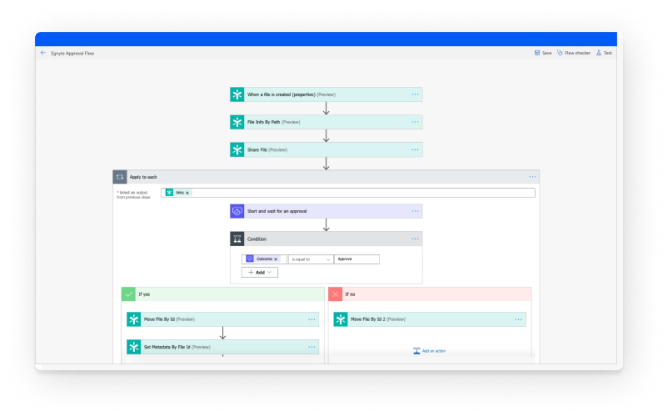
Automate Data Governance for Compliance and Control
Replace manual policy checks with real-time classification, monitoring, and automated remediation at scale.

Data Governance: Frameworks, Tools and Compliance Strategies
Build a structured approach to managing data quality, security, compliance, and operational agility.
Data Compliance: Key Regulations, Frameworks and Best Practices
Understand the regulations governing sensitive data and how to build a program that meets their requirements.