
Async Collaboration Playbook for Cross-Time-Zone Teams
We live in a highly connected world, and global teams have now become the norm, not the exception. However, working across time zones can slow decision-making and fragment workflows. Async collaboration solves this by enabling teams to work effectively without needing to be online at the same time. By combining structured communication, centralized content, and modern async collaboration tools, businesses can improve visibility, reduce delays, and keep projects moving across regions. This playbook outlines how to implement asynchronous collaboration, select the right tools, and build workflows that keep global teams aligned, productive, and secure.
Let’s jump in and learn:
- Main Takeaways
- What Is Async Collaboration, and Why Is It Significant for Cross-Time-Zone Teams?
- How Can Async Collaboration Tools Streamline International Teamwork?
- When to Implement Async Collaboration Tools for Global Teams?
- Navigating the Selection of Reliable Async Collaboration Tools
- Refining Teamwork and Improving Productivity With an Async Collaboration Platform
- Conclusion
Main Takeaways
- Async collaboration enables global teams to work efficiently without waiting for meetings, approvals, or overlapping schedules.
- Fewer real-time meetings help employees focus better and improve productivity.
- Teams across regions can maintain project momentum despite time-zone differences.
- Centralized content management reduces version confusion and improves visibility.
- Automated workflows minimize delays and reduce manual follow-ups.
- Modern asynchronous collaboration tools combine secure file sharing, automation, and integrations to support distributed teams.
What Is Async Collaboration, and Why Is It Significant for Cross-Time-Zone Teams?
Global teams often struggle with scheduling conflicts, delayed responses, and fragmented communication. Async collaboration helps organizations reduce these bottlenecks by enabling teams to work without relying on real-time interaction.
What Is Asynchronous Collaboration?
Async collaboration is a work model where employees communicate, review tasks, and share updates independently instead of requiring everyone to be online simultaneously. Async collaboration allows distributed teams to maintain productivity without relying on constant real-time communication.
The asynchronous collaboration meaning is simple: communication happens on a flexible schedule while maintaining accountability and project visibility.
Instead of relying on continuous meetings or instant replies, teams use:
- Shared documents
- Recorded updates
- Comments and feedback threads
- Project management platforms
This approach allows employees to contribute during their most productive hours while ensuring work continues across regions.
Why Does Async Collaboration Matter for Global Teams?
For organizations collaborating across time zones, asynchronous collaboration improves flexibility and operational efficiency.
Key benefits include:
- Reducing delays caused by scheduling conflicts
- Supporting continuous project progress across regions
- Giving employees more uninterrupted focus time
- Improving accountability through documented communication
- Supporting remote and hybrid work environments
Many organizations today use a combination of synchronous and asynchronous collaboration to balance flexibility with real-time decision-making. While meetings remain useful for urgent discussions, async collaboration helps teams manage reviews, approvals, documentation, and project updates more efficiently across regions.
What is an example of asynchronous collaboration? A global product team can upload design updates at the end of one workday, allowing stakeholders in other regions to review and approve files during their own working hours.
Projects continue progressing without requiring live meetings or overlapping schedules.
How Can Async Collaboration Tools Streamline International Teamwork?
Modern async collaboration tools help distributed teams stay connected, organized, and productive without relying heavily on meetings or instant responses. These asynchronous collaboration tools enable teams to share updates, review files, manage approvals, and maintain visibility across projects regardless of location or time zone.
They help organizations:
- Maintain visibility into projects and tasks
- Reduce delays caused by time-zone differences
- Improve coordination across global teams
- Keep work moving through structured communication
Unlike traditional communication methods, asynchronous and remote collaboration tools allow employees to review updates, share feedback, and complete tasks on their own schedules.
The Importance of Real-Time File Sharing and Collaboration
Global teams need reliable access to the latest files and project information. Without structured systems, businesses often face duplicate files, version confusion, and delayed approvals.
Modern async collaboration tools support secure collaborative file sharing through:
- Centralized file access
- Real-time version updates
- Shared commenting and reviews
- Faster collaboration across locations and devices
For example, an architecture firm with teams in the U.S., Europe, and Asia can update design documents in a shared workspace while engineers and consultants review files asynchronously.
Empowering International Teams with Centralized Content Management
Distributed teams often store information across multiple platforms, creating silos that slow collaboration.
Centralized content management helps organizations:
- Store business-critical content in one secure location
- Simplify file discovery through intelligent search
- Control permissions and user access
- Improve consistency across global workflows
- Strengthen governance and compliance efforts
By reducing time spent searching for files, teams can focus more on execution and decision-making.
Conquering Time Zone Challenges with Automated Workflows
Manual approvals and follow-ups often create delays for teams collaborating across time zones. Workflow automation helps organizations maintain momentum without requiring constant coordination.
Many asynchronous collaboration tools now support:
- Automated approval routing
- Notifications for file updates and reviews
- Task assignments based on workflow stages
- Deadline reminders and workflow tracking
For example, finance or legal teams can automatically route contracts between stakeholders across regions, reducing approval delays and improving process consistency.
When to Implement Async Collaboration Tools for Global Teams?
Organizations should consider implementing async collaboration tools for business when traditional communication methods begin slowing productivity and decision-making.
Common signs include:
- Frequent scheduling conflicts across regions
- Excessive meetings and meeting fatigue
- Delays caused by waiting for responses
- Difficulty tracking updates and accountability
- File version confusion across teams
- Expanding remote or hybrid work environments
Asynchronous collaboration tools become especially valuable when organizations:
- Hire talent across multiple time zones
- Manage global clients or partners
- Handle complex cross-functional projects
- Need greater workflow visibility and scalability
Many businesses begin by piloting async collaboration processes within departments like IT, marketing, finance, or product development before scaling company-wide.
Navigating the Selection of Reliable Async Collaboration Tools
Choosing the right async collaboration tools is critical for organizations managing distributed teams and complex workflows.
The best platforms should help businesses:
- Simplify communication and collaboration
- Improve workflow visibility
- Scale across teams and regions
- Integrate with existing business applications
- Maintain security and governance standards
Essential Features to Look for in an Async Collaboration Tool
Key features to prioritize include:
- Centralized file storage and collaborative file sharing
- Real-time document access with version control
- Threaded comments and contextual feedback
- Workflow automation for approvals and task routing
- Advanced search and content discovery
- Mobile accessibility for remote and hybrid teams
- Integrations with Microsoft 365, Slack, and Google Workspace
- Activity tracking and reporting for operational visibility
The best asynchronous collaboration tools should support enterprise file sharing, teamwork, productivity, and long-term operational scalability.
Platforms that combine collaboration, governance, and automation often provide stronger long-term operational value.
Security Considerations When Adopting Async Collaboration Tools
Without proper controls, distributed collaboration environments can introduce security and compliance risks.
Organizations should prioritize asynchronous collaboration tools that offer:
- End-to-end encryption
- Role-based access controls
- Multi-factor authentication (MFA)
- Audit trails and activity monitoring
- Ransomware detection and recovery
- Compliance support for GDPR, HIPAA, and SOC 2
- Data governance and retention management
Businesses should also establish clear collaboration policies and employee security practices to reduce operational risks.
Refining Teamwork and Improving Productivity With an Async Collaboration Platform
Effective async collaboration requires secure content access, workflow visibility, and centralized file management.
Egnyte’s Content Cloud helps organizations streamline asynchronous collaboration by combining secure file sharing, automated workflows, and centralized content management within a single platform. Egnyte helps organizations simplify async collaboration through secure content access, workflow automation, and centralized visibility across distributed teams.
With Egnyte, teams can:
- Access and share files securely across locations and devices
- Collaborate on the latest file versions without duplication issues
- Automate approvals and routine workflows
- Maintain visibility into project activity and document access
- Integrate with Microsoft 365, Slack, and Google Workspace
- Strengthen governance with enterprise-grade security controls
For organizations collaborating across time zones, Egnyte helps improve productivity, visibility, and operational efficiency.
Conclusion
Async collaboration helps global teams reduce meeting overload, improve productivity, and maintain project momentum across time zones. With the right processes and asynchronous collaboration tools, organizations can streamline communication, centralize content, automate workflows, and create more efficient distributed work environments.
Egnyte’s Content Cloud helps businesses simplify async collaboration through secure file sharing, workflow automation, and centralized content management. This enables teams to collaborate efficiently across regions while maintaining visibility, governance, and operational control.
Frequently Asked Questions
Async collaboration tools reduce scheduling conflicts, meeting overload, delayed approvals, and communication gaps. They help distributed teams maintain visibility, accountability, and project continuity without requiring everyone to work simultaneously.
They allow employees to work during their most productive hours while reducing interruptions from meetings and constant messaging. This improves focus, speeds up workflows, and supports continuous project progress across regions.
Key features include centralized file sharing, version control, workflow automation, threaded comments, integrations with productivity apps, advanced search, mobile access, and activity tracking.
Choose async collaboration tools with encryption, multi-factor authentication, role-based access controls, audit trails, and compliance support for standards like GDPR, HIPAA, and SOC 2.
Yes. Most asynchronous collaboration tools integrate with platforms like Microsoft 365, Slack, Google Workspace, Salesforce, and other business applications to streamline workflows.
Centralized content management gives teams a single source of truth for files, approvals, and project updates. Platforms like Egnyte improve visibility, reduce version confusion, and simplify secure collaboration across regions.
Yes. Many async collaboration tools offer scalable pricing models for growing businesses. Organizations should prioritize platforms that balance affordability, usability, security, and workflow capabilities.
Async collaboration tools help remote and in-office employees access files, share updates, and collaborate efficiently without relying on overlapping schedules or constant meetings.
Egnyte has experts ready to answer your questions. For more than a decade, Egnyte has helped more than 23,000+ customers with millions of users worldwide.
Additional Resources

Secure File Sharing for Teams
Share files across regions with full version control and access security.

Workflow Automation Guide
Automate approvals and task routing to eliminate cross-timezone delays.
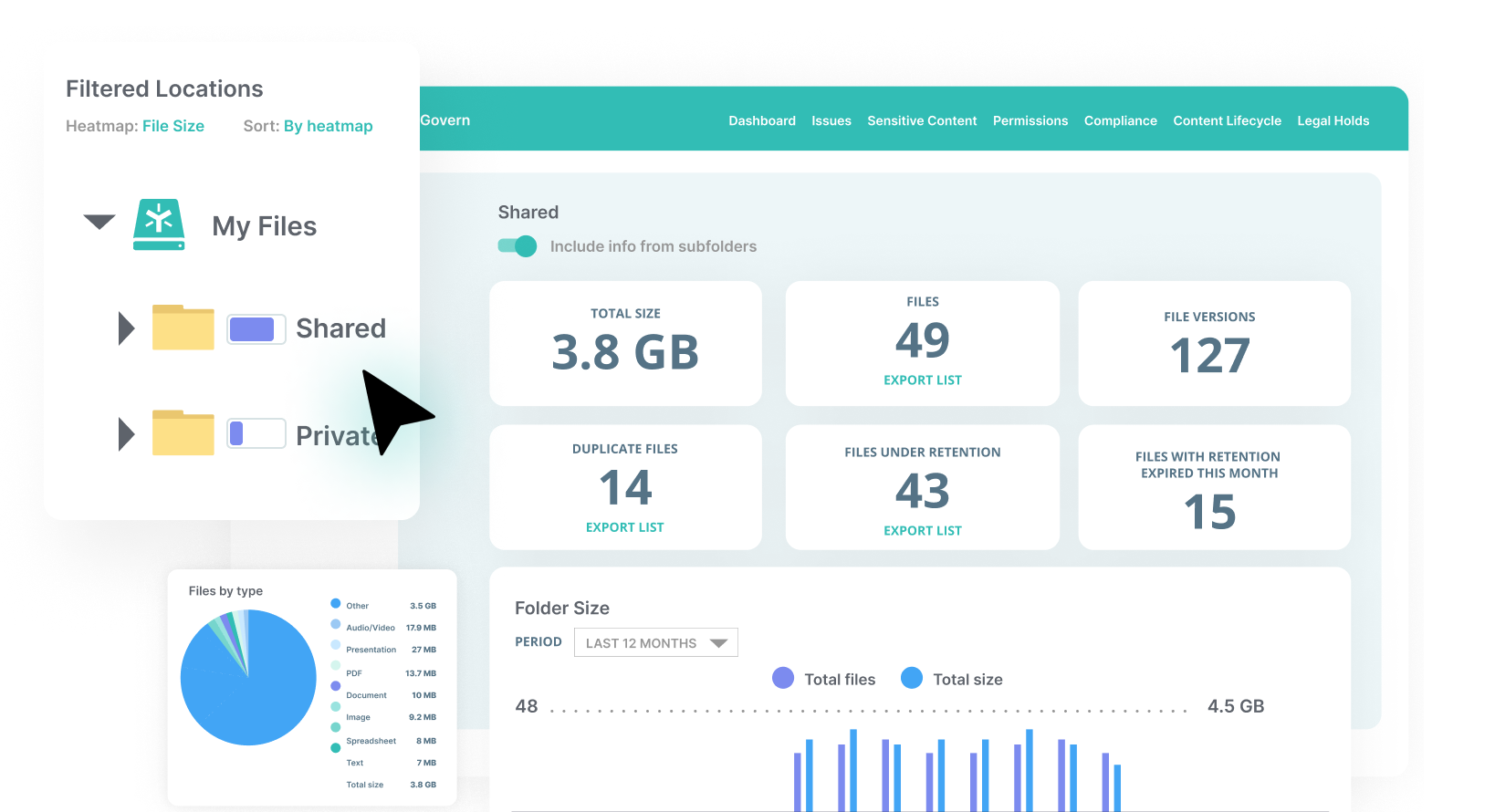
Manage Your Content Lifecycle from Creation to Disposal
Identify mission-critical content to retain and obsolete data to archive or delete automatically.