
Secure Architecture File Sharing Made Simple
Architecture firms manage some of the most sensitive and complex project data in any industry. From BIM models to client contracts, every file carries financial, legal, and intellectual property risk. Architecture file sharing systems help firms move data safely across teams, offices, job sites, and external partners without slowing project delivery.
Modern cloud storage solutions make it easier to protect large design files while enabling fast collaboration. By strengthening architecture document management and improving file sharing for architects, AEC leaders can reduce operational risk while increasing productivity across projects.
Let’s jump in and learn:
- Main Takeaways
- What Is Secure Architecture File Sharing?
- Why You Need Secure File Sharing in Architecture
- How Secure Architecture File Sharing Works
- When Should Firms Switch to Secure Architecture File Sharing?
- When Complying with Regulatory Standards
- Where to Implement Secure Architecture File Sharing in Your Workflow
- Conclusion
Main Takeaways
- Secure architecture file sharing protects CAD files, BIM models, and specifications with encryption and strict access controls.
- Centralized architecture document management eliminates version confusion and data silos.
- Modern cloud storage solutions support large files without FTP limitations.
- File sharing for architects must include audit trails and compliance reporting.
- Secure collaboration improves speed across design, bidding, and construction workflows.
- Integrated AEC tools enable safer AEC project management across distributed teams.
What Is Secure Architecture File Sharing?
Architecture file sharing refers to the secure transfer of design files, drawings, models, and documents between internal teams and external partners.
Modern platforms combine several security and governance capabilities, including:
- End-to-end encryption
- Role-based access controls
- Secure link sharing
- File activity tracking
- Centralized architecture document management
Unlike consumer tools or email attachments, structured systems create a governed environment where project data remains protected.
With professional cloud storage solutions:
- Every file has defined ownership
- Every access request is authenticated
- Every change is recorded for audit visibility
For example, a global design firm may need to share a 5GB Revit model with consultants in multiple regions. Instead of using unsecured FTP servers, the firm generates a protected link that includes:
- Expiration dates
- Download restrictions
- Watermark protection
- Edit-only permissions for specific collaborators
This approach improves file sharing for architects while maintaining strong control over sensitive intellectual property.
Why You Need Secure File Sharing in Architecture
Architecture firms face growing challenges related to collaboration, cybersecurity, and data governance.
Growing Cyber Threats
AEC firms increasingly face ransomware attacks because they manage valuable project data.
Sensitive information often includes:
- Proprietary building designs
- Financial contracts
- Infrastructure plans
Without proper controls around architecture file sharing, firms risk:
- Project delays
- Intellectual property theft
- Reputation damage
- Contract disputes
- Regulatory penalties
Secure platforms ensure that design files remain protected throughout the collaboration process.
Increasing File Sizes
Modern architecture document management must support extremely large files such as:
- BIM models
- Reality capture datasets
- 3D visualizations
- Drone imagery
Traditional tools like email and FTP servers cannot handle these files efficiently. Advanced cloud storage solutions support large design datasets while maintaining encryption and version control.
Collaboration Across Multiple Stakeholders
Today’s construction projects involve multiple participants including:
- Architects
- Structural engineers
- Contractors
- Consultants
- Clients
Without structured file sharing for architects:
- Version conflicts increase
- Teams access outdated drawings
- Errors propagate to job sites
Modern architecture document management platforms improve coordination by providing:
- Version control
- Real-time syncing
- Centralized construction file management
- Secure external collaboration
Regulatory and Contractual Compliance
Many construction projects must comply with documentation standards such as ISO 19650. These frameworks require:
- Traceable document revisions
- Defined document ownership
- Controlled distribution
Structured architecture file sharing systems support compliance by maintaining complete audit trails across project files.
How Secure Architecture File Sharing Works
A structured process ensures that project data remains protected throughout its lifecycle.
Selecting a File
Users upload or select files from a centralized platform. The system automatically:
- Classifies file types
- Identifies sensitive content
- Applies security policies
- Tags metadata for architecture document management
This ensures files remain organized and searchable.
Encrypting the File
Files are encrypted using AES-256 standards. This ensures:
- Encryption at rest in cloud storage solutions
- Encryption during file transfers
- Zero-trust authentication before access
Encryption ensures intercepted files remain unreadable.
Transferring the File
Secure links allow controlled distribution with features such as:
- Expiration dates
- Password protection
- Download restrictions
- Activity monitoring
These controls are critical when sharing:
- Construction specification documents
- Large BIM models
- Reality capture datasets
Modern cloud storage solutions also accelerate transfers using edge caching across offices and construction sites.
Decrypting the File
When recipients access shared files:
- The system verifies their identity
- Authorized users automatically decrypt files
- No manual encryption keys are required
This ensures a smooth user experience while maintaining security.
Accessing the File
Users can perform multiple actions depending on permissions:
- View files
- Comment on documents
- Edit drawings
- Collaborate in real time
Role-based permissions ensure unauthorized users cannot modify project files.
This structured workflow enables efficient file sharing for architects without sacrificing security.
When Should Firms Switch to Secure Architecture File Sharing?
Many firms delay modernization until problems appear. However, proactive adoption significantly reduces risk.
When Handling Sensitive Client Data
Projects often include confidential information such as:
- Proprietary building designs
- Government infrastructure plans
- Financial documentation
Modern architecture file sharing solutions protect this data using controlled permissions and activity logs.
During Multi-Team Collaboration
Large projects require coordination across multiple firms and locations. Without centralized file sharing for architects:
- Email threads create confusion
- Local storage fragments project data
- Teams lose visibility over updates
Integrated architecture document management improves collaboration within broader AEC project management workflows.
As Project Size and Complexity Increase
large projects require support for:
- Massive BIM models
- Continuous design revisions
- Construction file management across teams
Modern cloud storage solutions allow firms to scale file management without performance bottlenecks.
When Complying with Regulatory Standards
Organizations that must demonstrate compliance with regulations like ISO 19650, data privacy regulations, and client security requirements benefit from structured architecture file sharing environments that track:
- Access history
- File revisions
- Permission controls
Where to Implement Secure Architecture File Sharing in Your Workflow
Secure file collaboration should support the entire project lifecycle.
Design Phase
- Share conceptual drawings securely with clients
- Control edits during internal design reviews
- Protect intellectual property during early collaboration
Bidding and Tendering
- Distribute construction specification documents securely
- Restrict competitor access
- Track downloads and document activity
Construction Phase
- Provide secure access to updated drawings on-site
- Share reality capture in construction datasets across teams
- Maintain synchronized architecture document management
Ongoing Project Governance
- Integrate secure file sharing for architects with AEC project management tools
- Maintain centralized construction file management
- Ensure document continuity across project milestones
For example, a mid-sized architecture firm managing multiple construction projects implemented modern architecture file sharing tools across design and field teams. Within six months they achieved:
- Fewer version conflicts
- Faster synchronization across offices
- Improved compliance visibility during audits
Conclusion
Secure architecture file sharing has become essential for modern AEC firms managing complex projects, distributed teams, and sensitive design data. As file sizes grow and collaboration expands across architects, engineers, contractors, and clients, traditional sharing methods such as email attachments and unsecured file servers create unnecessary risks. Implementing structured systems enables firms to protect intellectual property, maintain accurate version control, and streamline collaboration across the entire project lifecycle, from design reviews and bidding to construction and long-term governance. By combining encryption, centralized architecture document management, and scalable cloud storage solutions, organizations can ensure that critical project information remains protected while teams collaborate more efficiently.
Egnyte enables architecture file sharing through a purpose-built content cloud platform designed for AEC organizations. With advanced encryption, role-based permissions, audit trails, and integrations with leading AEC tools, Egnyte supports secure collaboration across offices, partners, and construction sites. Its centralized approach to architecture document management and construction file management ensures that teams always work with the latest project files while maintaining full visibility and control over sensitive design data.
Frequently Asked Questions
The best time is before a security incident occurs. Firms should implement architecture file sharing solutions when project teams expand, file sizes grow, or compliance requirements increase.
End-to-end encryption protects files during storage and transmission. Only authenticated users can decrypt and access the files, ensuring that intercepted data remains unreadable.
Yes. Modern cloud storage solutions allow secure access through web portals and mobile applications, enabling teams to collaborate from offices, job sites, or remote locations.
No. Most modern platforms integrate with existing AEC tools and allow gradual migration of project files. This makes the transition manageable without disrupting architecture document management workflows.
Important capabilities include:
- End-to-end encryption
- Role-based access controls
- Version tracking
- Audit logs
- Large file optimization
- Integration with AEC project management systems
Encryption converts files into unreadable code during storage and transfer. Even if intercepted, the data remains unusable without authorized credentials.
Yes. Secure platforms allow granular permissions based on role, project, folder, or file type. This ensures precise control in file sharing for architects, engineers, and all those who utilize architecture document management systems.
Egnyte has experts ready to answer your questions. For more than a decade, Egnyte has helped more than 22,000+ customers with millions of users worldwide.
Additional Resources
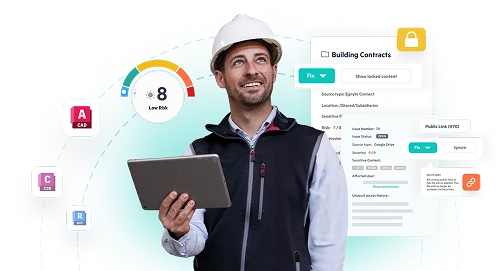
One Platform for Every Engineering File
Streamline collaboration and reduce rework across teams.

Architectural Workflows, Simplified
Fast, secure access to all project files in one place.
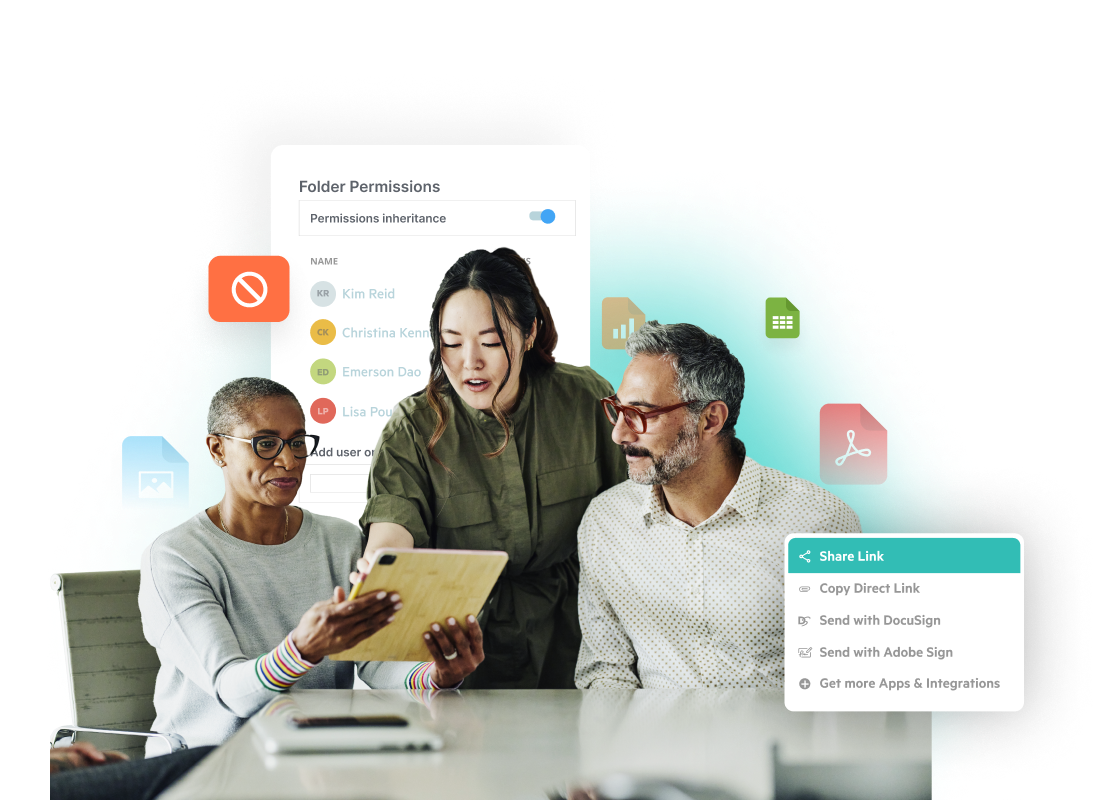
Secure File Sharing Made Simple
Share content safely while keeping full visibility and control.