Turn Unstructured Content Into Searchable Intelligence With Bulk Extraction
“Enterprises that don’t have a metadata-driven approach to modernization could end up spending as much as 40% more on data management.” – Gartner
That finding highlights a challenge many organizations underestimate: managing content is easy, but understanding what’s inside is much harder. Files get uploaded, folders multiply, and before long, your content repository looks like a digital attic—full of things that might be valuable, but impossible to sort.
This leads to:
- Hours wasted searching for the right document version
- Compliance audits that turn into fire drills
- An increase in manual follow-ups and rework occurs when information isn't readily available
The root cause? No structured metadata. And why isn’t there structured metadata? Because tagging files manually is slow, error-prone, and never anyone’s priority.
Bulk extraction addresses this problem by automatically converting unstructured content into structured, queryable metadata at scale.
But What Is Bulk Extraction?
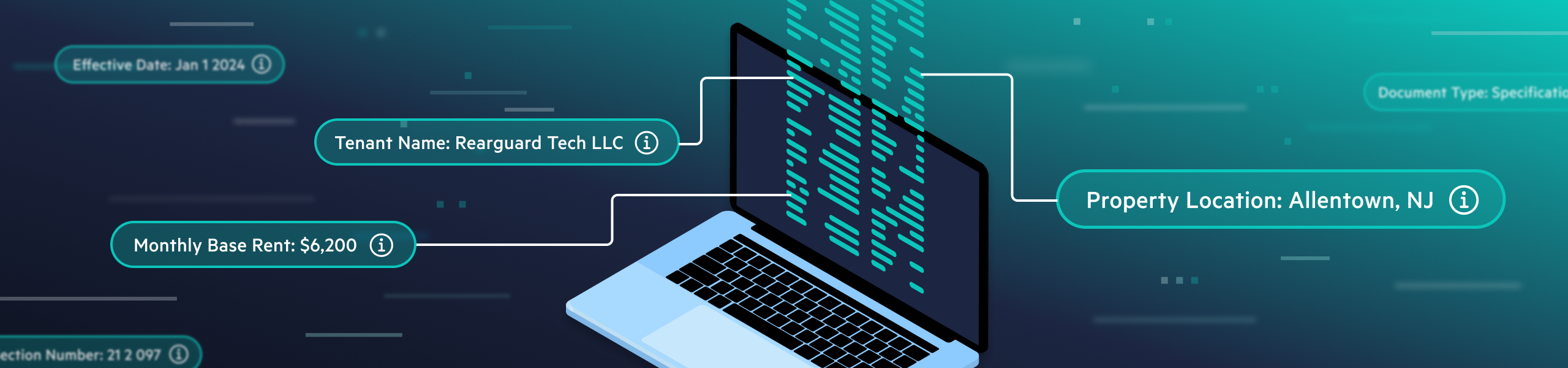
Bulk extraction is an AI-powered tool that analyzes files, extracts the metadata fields relevant to your business, and automatically applies structured metadata at scale across both existing repositories and newly created or uploaded content.
Think of it less as a script and more as an always-on specialist. You define what matters, point it at your content, and it processes thousands of files faster than a single human ever could. Whether backfilling metadata across historical repositories or continuously processing new content as it enters your environment, extraction runs automatically in the background.
Configurability is what makes extraction effective. Admins can see and control exactly what it extracts. They can tailor it to specific file types, metadata schemas, governance policies, internal terminology, and business requirements.
The Challenge: Specialized Content Requires Specialized Extraction
Generic extraction tools handle everyday business documents, like PDFs and Word docs such as CIMs (confidential information memorandums) and credit memos reasonably well. But specialized content breaks them—content like DWG files, engineering specifications, architectural submittals, or construction drawings.
A drawing title block contains revision histories, sheet numbers, discipline codes, and project metadata. Specification documents rely on section hierarchies and industry-standard numbering systems. Submittal packages embed approval statuses, contractor details, and specification references across inconsistent formats. Traditional OCR and keyword-based approaches frequently misinterpret this information or miss it entirely.
Poor metadata quality creates its own risk. Inaccurate tags reduce trust in search results, introduce governance gaps, and creates false confidence and pollutes your search results.
This is where Egnyte excels. With deep experience supporting industries that run on complex content, Egnyte combines domain expertise with LLM-powered extraction to understand document structures, industry conventions, and the metadata fields that matter. Egnyte also gives the flexibility to tailor metadata labels to how your business operates. The result: less noise, more accuracy, and specialized content transformed into structured, usable metadata.
Configuring Bulk Extraction
Transforming vast amounts of unorganized data into structured assets is easier than you think. By following these four steps, you can configure bulk extraction to tag and organize your file repository.
Step 1: Decide What You Want to Know About Your Files
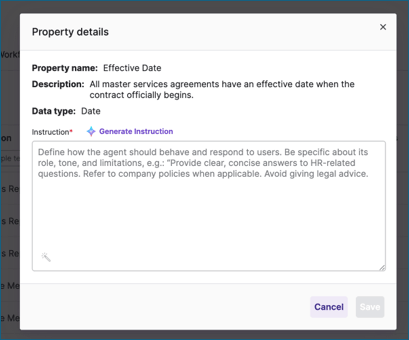
Start with a simple question: "What information do we wish we had about every file?" Maybe it's the project name, document type, expiry date, or author. Write that list down and your admin sets it up in Egnyte as a template. Bulk extraction then knows exactly what to look for across every file, automatically.
Step 2: Set Up Your Bulk Extraction
You can configure bulk extraction in Egnyte in four simple ways:
- Choose a starting point. Pick from ready-made configurations for construction, legal, HR, and more or build a custom one. No coding required.
- Tell it where to find information. For engineering drawings, for instance, you'd specify that the sheet number lives in the bottom-right corner and the revision number is in the revision table.
Step 3: Direct It at Your Content
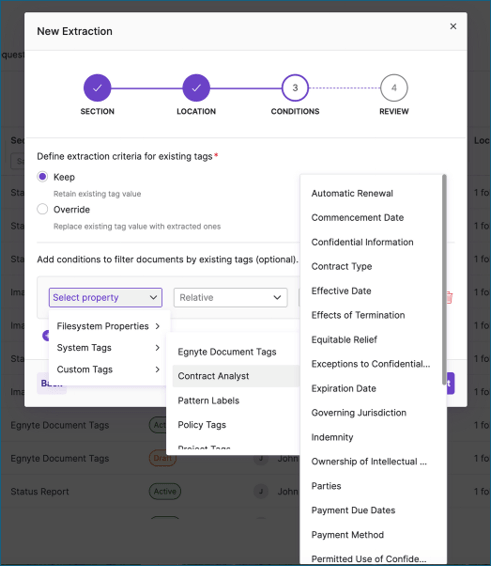
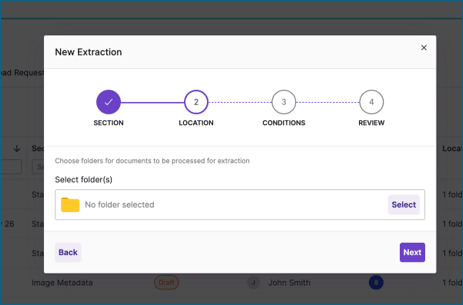
Select the folders, file types, or date ranges you want to process. Have years of untagged historical files? Bulk extraction handles those too. For very large repositories, run it in overnight batches to keep things running smoothly during the workday.
Step 4: Monitor and Validate
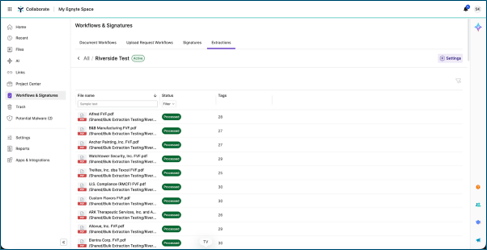
A live dashboard shows files processed, fields populated, and anything flagged for review. Before going full scale, test on a few hundred files first and have someone spot-check a sample. One hour of validation now saves hours of cleanup later.
What Does It Look Like in the Real World?
Across industries, companies spend too much time managing data, when AI can do the job for them. Let’s look at two industry-specific use cases.
Construction
Construction project teams often drown in hundreds of thousands of drawings, RFIs, submittals, and specs with no consistent tagging, meaning that finding a single drawing revision could mean emailing the project manager and waiting days for a response.
Bulk extraction solves this by automatically tagging every file with sheet number, discipline, revision, and document type, so anyone on the team can search and find exactly what they need in seconds.
Financial Services
In financial services, the pain looks different than construction, but the root cause is the same. Traditional metadata tools struggle with large, complex documents common in financial services, such as CIMs in private equity and credit memos in banking.
Wealth management firms face a different challenge—thousands of client files that make audits and information requests difficult to manage. Bulk extraction automatically tags every document with key details such as client, deal, and account type, making it easy to find information and generate reports in minutes instead of weeks.
Different industries, same outcome: less time searching, more time doing work that matters.
Metadata Isn’t a Search Problem. It's Now an Infrastructure Decision.
When documents are automatically tagged, classified, and enriched with consistent metadata, your content stops being passive and starts working for you. Workflows run on their own. Compliance gaps surface before they turn into violations. Disconnected systems finally speak the same language. And AI gives you accurate, more reliable answers because it's working from clean, structured data instead of trying to make sense of a mess. This isn't just a better way to find files. It's a fundamentally different way to use the content your organization already has.
The organizations winning with AI aren't always the ones with the most data. They're the ones whose data is ready to work. Metadata is what separates content that sits idle from content that drives decisions, automates processes, and gets more valuable over time.
Every day without it is value left on the table. Ready to unlock it? Contact your sales representative to get started.
Transforming vast amounts of unorganized data into structured assets is easier than you think. By following these four steps, you can quickly configure bulk extraction to automatically tag and organize your entire file repository.