Preconstruction Modernisation: Reducing Risk Before Commitments Lock In
Preconstruction is no longer a buffer between design and delivery. Across UK construction projects, timelines are compressing, risk is shifting upstream, and teams are being asked to commit earlier with less certainty than ever before.
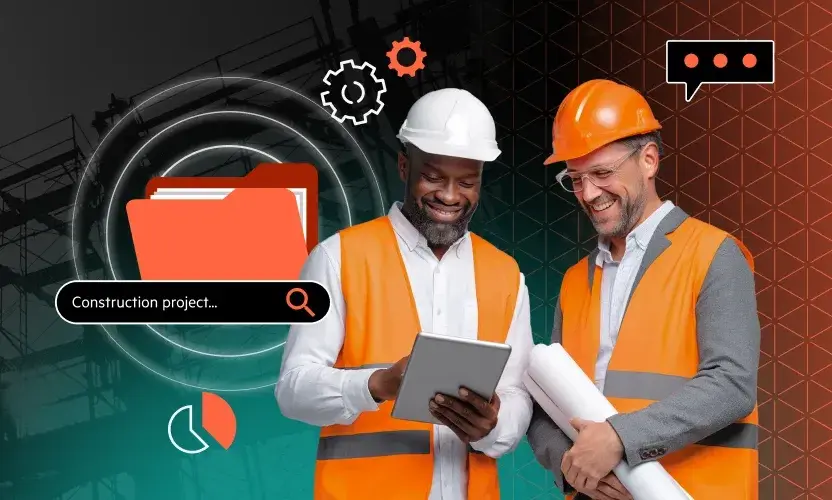
At the same time, project information is increasingly fragmented across cloud platforms, project systems, shared drives, and email. Without structured information management, the speed gains from digital tools often amplify uncertainty rather than reduce it.
The Problem: When Information Becomes the Bottleneck
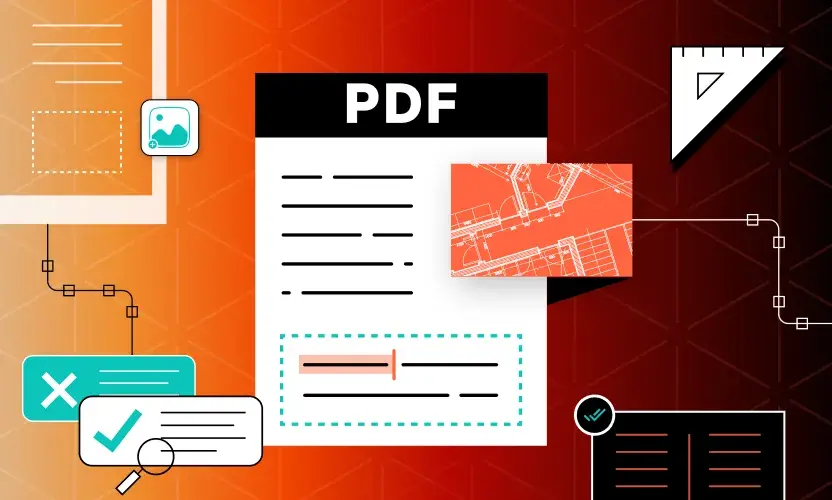
Specifications sit across multiple systems. Contracts are disconnected from technical documentation. Drawings lack clear version control. Models exist without consistent alignment to commercial or contractual scope.
The consequences are familiar across many projects:
- Version ambiguity during tender review
- Constructability risks are embedded early in design documentation
- Coordination failures during delivery
- RFIs multiply once construction begins
The ISO 19650 standard positions information management as a core risk control mechanism, ensuring that project information is structured, validated, and traceable throughout the lifecycle. When information is unmanaged or unfit for purpose, uncertainty becomes contractual exposure. In an environment of compressed timelines and earlier risk transfer, that exposure grows quickly.
Why AI Alone Can’t Solve the Problem
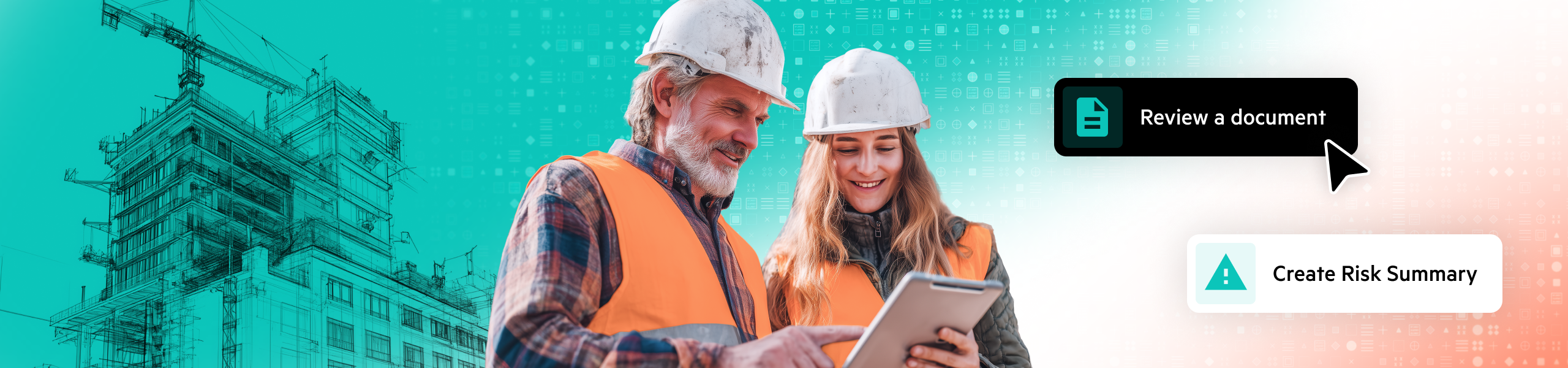
Construction firms increasingly look to AI to help digest large volumes of project documentation and surface risks earlier in preconstruction. AI can analyse specifications, contracts, drawings, and models far faster than manual review. But its effectiveness depends entirely on access to consistent, well-structured project information.
In most firms, project information is scattered across shared drives, email threads, project systems, and legacy file servers. When data is fragmented, AI can’t see the full picture. Instead of improving decision-making, it risks amplifying the same uncertainty teams already face.
The Solution: ISO 19650-Aligned, AI-Enabled Preconstruction
Preconstruction modernisation starts by treating project information as delivery infrastructure, not administrative overhead.
Under ISO 19650, the Common Data Environment becomes the single source of truth, governing information through defined lifecycle states and validation checkpoints. When AI is introduced within this framework, it accelerates readiness rather than undermining trust.
Modern ISO 19650-aligned preconstruction focuses on three core principles:
- Decision-grade information: Information is structured to support go/no-go decisions with confidence, traceability, and auditability.
- Purpose-driven information requirements: Deliverables are defined by how information will be used, not by legacy checklists or document volume.
- AI applied to governed data: AI accelerates review and analysis, but responsibility remains with professionals. AI functions as an assistive layer, helping teams surface risks, inconsistencies, and missing information more quickly while leaving final judgment to project professionals.
Platforms that unify project data and apply secure AI across that information layer allow firms to move from fragmented documentation to decision-ready knowledge.
How AI Improves Preconstruction Readiness
When applied within an ISO 19650-aligned environment, AI enables practical, high-impact preconstruction workflows:
- Specification analysis: AI-assisted review identifies missing sections, ambiguous clauses, and conflicting references across specifications and technical documents.
- Contract analysis: Commercial risks, such as liability clauses, payment terms, and performance obligations, are highlighted and compared with the technical scope before commitments are finalised.
- Early risk identification: AI can identify inconsistencies between specifications, drawings, and contractual requirements before tender submission.
This approach reduces downstream disputes by addressing ambiguity at its source.
The Business Value: Why It Matters
Preconstruction is the first information risk gate—decisions made at this stage determine delivery outcomes.
By modernising preconstruction through ISO 19650 and AI-enabled information management, firms can:
- Reduce the number of RFIs through earlier clarity and coordination
- Improve constructability by aligning models, specifications, and contracts
- Enable confident collaboration across design, commercial, and delivery teams
- Turn large volumes of project information into usable knowledge that supports faster, more confident decision-making
Ready to Modernise Preconstruction?
If your teams are being asked to commit earlier, manage greater risk, and adopt AI without a clear information framework, it may be time to rethink preconstruction readiness.