How Adaptive Block Caching Makes Complex Creative Projects Easier
Whether you’re a video editor, graphic designer, or marketer responsible for building key assets, you know how frustrating working on large-scale creative projects can get. Teams struggle to work with large video and design files, dealing with slow, incomplete renders, freezes, crashes, and misaligned content. When collaborating, those delays and inefficient version keeping lead to lost or overlapping work.
Egnyte’s Adaptive Block Caching (ABC) has some key features that help ease these pains, including:
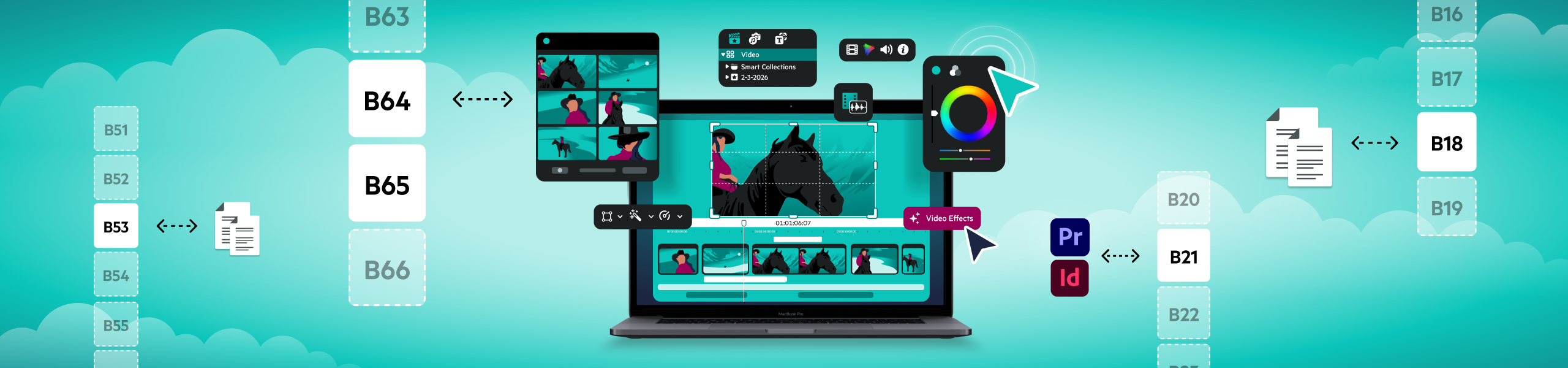
- Block-Level Handling: Caching massive and complex files in blocks rather than in their entirety.
- Predictive File Streaming: Pulling in future file blocks while a user is working to prevent lag and long wait times.
- Optimized File Versioning: Syncing changed file blocks instantly for immediate access for all collaborators.
- Desktop-Based Control: Eliminates reliance on on-premises servers or physical drives and equips a user’s desktop with the power and heft to handle massive files.
There is a reason why file size is such a specific problem when dealing with creative projects. But before we do a deep dive into how ABC helps media and entertainment teams, let’s take a closer look at the unique challenges of working on huge creative projects.
Why Collaborating on Large Media Files is Especially Challenging
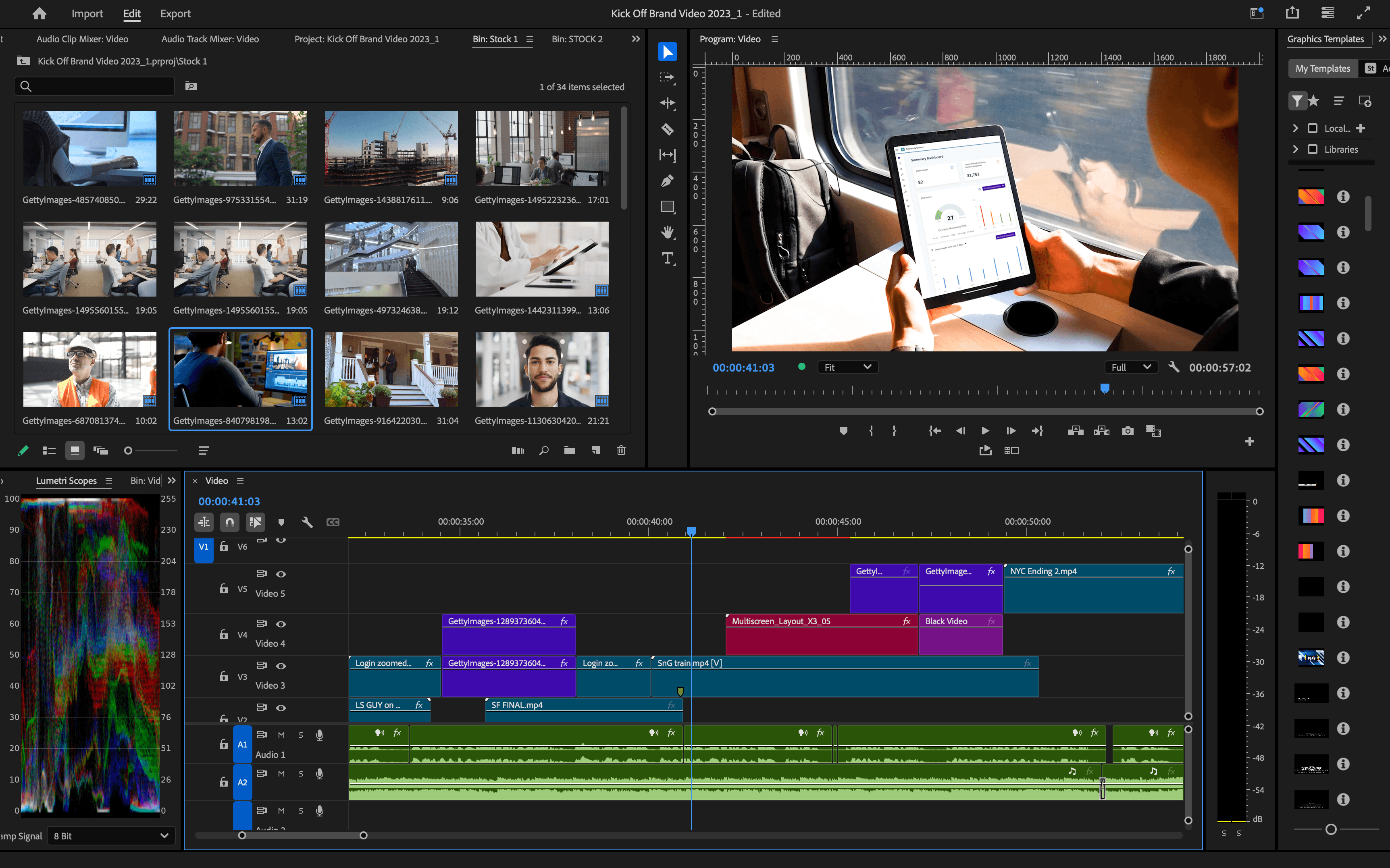
Consider a multi-gigabyte video project in Adobe Premiere Pro. This type of file isn’t usually just one multigigabyte asset, but rather a collection of other linked files, music, images, text, and more.
This file isn’t just large, it's hefty and flimsy. This makes these file types hard to upload and download repeatedly to and from the cloud. A file this size takes a while to open and is prone to freezes and crashes. That is especially frustrating because any delay in file rendering or loading can cause misalignments and other issues that affect the project. Those hiccups can add hours of work to undo.
To work on these files, many teams choose to wire into an external hard drive or on-premises file server, while remote users may need to wait for someone to ship them an external hard drive. However, collaboration is not just about sharing or accessing files; it's also about being able to safely work on them in real time.
What is really a problem for smaller files becomes more pronounced as file sizes grow and file structures become more complex. Those core problems include:
- Needing a massive file in its entirety to open and render for every action
- A frustrating user experience from slow renders, freezes, crashes, and misaligned content while working in tools like Adobe Premiere Pro
- Inefficient version keeping that leads to lost changes, high storage demands, overlapping work, and doubt over which file is the most recent version
Adaptive Block Caching: A New Way To Handle Massive Files
To solve these concerns, Egnyte introduced Adaptive Block Caching (ABC)—delivered via our desktop application—to help media and entertainment teams finish creative projects faster.
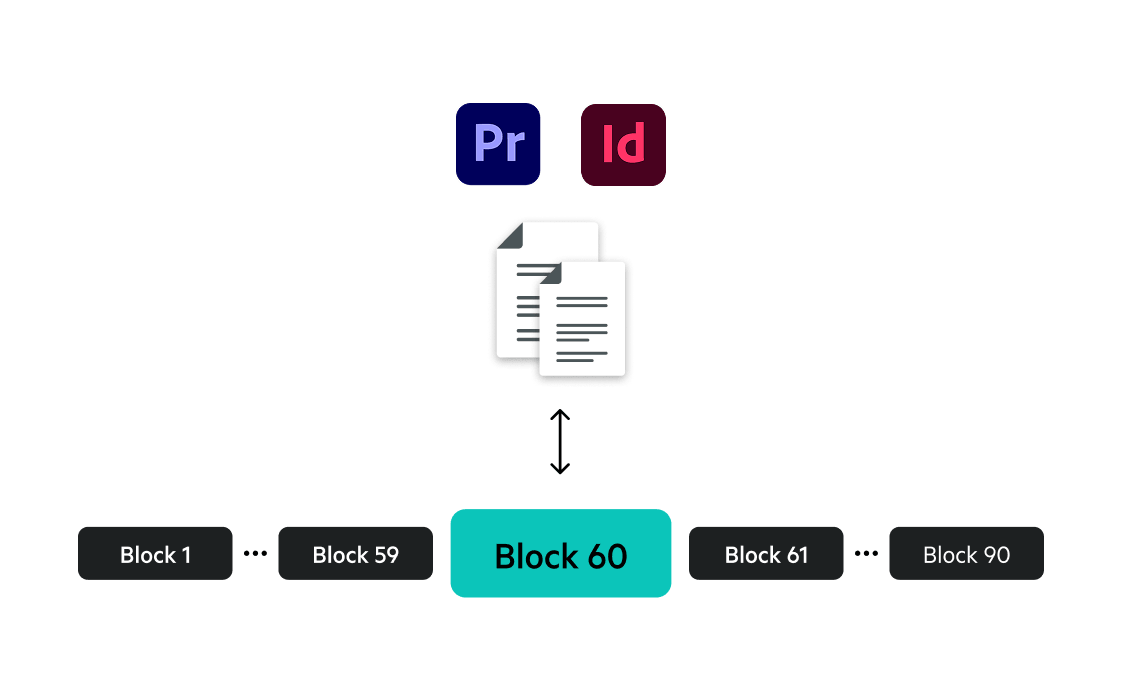
For Media and Entertainment customers, ABC delivers:
- Block level handling of massive files, so teams can upload, download, open, and cache massive media files in blocks rather than in their entirety for each operation
- A smoother user experience for creative professionals working in tools like Adobe Premiere Pro with predictive file streaming, which pulls in future file blocks while a user works on the initial block
- Optimized file versioning that helps build a transparent version history and makes the most recent version immediately accessible
With ABC, much of the friction due to network latency, device constraints, and file size is eased, creating a smoother experience for your entire team. Reach out to learn more about how ABC and Egnyte support professionals just like you.